 The EPC’s Inclusive Engineering Toolkit is supported by the Royal Academy of Engineering.
We would like to thank everyone involved in the development of the Inclusive Engineering Toolkit.
Her research explores mechanisms that support effective student engagement and collaboration, including embedded support structures for group work and the dynamics of student teams within problem- and project-based learning environments. Through this work, she contributes to the development of teaching approaches that promote equality, collaboration, and the development of professional competencies in engineering graduates. From 2018 to 2024, Dr Taiwo served as Director of Student Experience in the School of Engineering and Materials Science, where she led initiatives aimed at improving student engagement, wellbeing, and academic success across the school. Dr Taiwo is an Associate Member of the Institution of Chemical Engineers and Senior Fellow of the Higher Education Academy. Daniel’s recent work includes reduced-order physics-based modelling for fast calibration and estimation, control strategies for hybrid battery systems, electrical and thermal modelling at cell and pack level, and prognostic and diagnostic techniques for assessing battery health and remaining useful life. He teaches on the Motorsport and Automotive MSc programme and leads modules on Automotive Control and Simulation, and Advanced Control and Optimisation. Before joining Cranfield, Daniel worked at BAE Systems and MathWorks Consulting Services. He holds MEng and PhD degrees from Cambridge, is a Chartered Engineer, a Fellow of the IET and a Senior Member of the IEEE, and has the FHEA teaching qualification. Alongside his technical work, Daniel is active in equality, diversity and inclusion initiatives and co-chairs his university’s disability staff network, informed by both personal experience and long-standing advocacy for accessible engineering education. My commitment to the future of the field extends into my own academic pursuits; I am currently completing my MA in STEM Education at King’s College London. This research-led focus allows me to bring the latest pedagogical insights directly into the workshop and classroom, ensuring our curriculum remains at the cutting edge of modern education. Universitas 21 Award for Internationalisation (2016), for long-term dedication to the furthering of international education. National Teaching Award from the Higher Education Academy’s Engineering Subject Centre for my innovative use of story, drama and costume in teaching (2009) Lord Dearing Award for excellence in Teaching and Learning (2006). The award was in recognition of my work in appropriate technology and on the global dimension of education. Prior to his current position, he served as a Research Associate in Nonlinear Dynamics at the University of Bristol from 2011 to 2016, working in close collaboration with Rolls-Royce, AgustaWestland, and the Aircraft Research Association on nonlinear finite element modelling and frequency-domain numerical continuation. Earlier in his career, he held a Research Fellowship in Belgium, where he conducted operational modal analysis on automotive and wind energy systems. He holds a PhD in Structural Dynamics from the Università degli Studi di Brescia and an Integrated Master’s in Mechanical Engineering (with distinction) from the Politecnico di Bari. He is a Chartered Engineer, a Member of the IMechE, and a Senior Fellow of the Higher Education Academy. Helen was appointed as a Senior Fellow and Fellow of the Royal Aeronautical Society in 2105 evidenced by her portfolio of research in human factors in defence and high-risk industries, her external thought leadership on the human factor in technologically dominated worlds and her leadership of complex, multi-national programmes. Helen is an Honorary Professor at Nottingham Trent University following a RAEng Visiting Professor position in Innovation and Diversity. She is a STEM advocate and has been involved in increasing women in STEM, specifically engineering for 15 years. She is interested in increasing user centred design for engineering education. He has published over 50 peer-reviewed articles and a book chapter. He served as Guest Editor for a special issue of Energies and sits on the Topical Advisory Board for Fluids and three international conference committees. Archibong has reviewed more than 150 manuscripts for journals such as Nature Scientific Reports, Elsevier’s International Journal of Multiphase Flow, and other high-impact outlets In professional service, he has previously served as co-panellist and now chairs IMechE’s EngTech/IEng/CEng Professional Review Interview panels. He also serves as a grant reviewer for the British Council’s International Science Partnerships Research Collaboration and the International Research Empowerment Grant Programme. Archibong is a Chartered Engineer with the UK Engineering Council, Fellow of the Institution of Mechanical Engineers, Registered Engineer with the Council for Regulation of Engineering in Nigeria, Member of the Nigerian Society of Engineers, Member of the Nigerian Society of Chemical Engineers, and Senior Fellow of the Higher Education Academy (Advance HE). He was awarded the MIT ETT fellowship supported by TotalEnergies in 2019 and the Cranfield University/Higher Education Funding Council for England Doctoral Studentship (2012–2015). With a background in scientific research and policy, Ruth brings a research-informed, systems-level approach to change management and equality, diversity, and inclusion (EDI) programme design. She has played a pivotal role in the expansion of Athena Swan to the Republic of Ireland and Canada, and in the transformation of both UK Charters to ensure they remain evidence-informed, inclusive, and impactful. She is a trustee of the Daphne Jackson Trust and the Parliamentary Science & Technology Information Foundation, contributing her expertise to support equitable access to research careers and science-policy dialogue. A strategic and collaborative leader, Ruth is committed to supporting institutions to embed EDI into their structures and cultures in ways that lead to meaningful and measurable change. Simone is a Co-Investigator in the EPSRC Centre for Doctoral Training in Sustainable Sound Futures, where she serves as EDI Champion and EDI and Student Support and Wellbeing Working Group Chair. She is a Co-Lead in the EPSRC-funded Noise Network Plus, which is a network addressing the harms caused by noise. She is a member of the Acoustical Society of America (where she was a member of the Women in Acoustics committee). She is on the UK and Ireland Speech Committee and the Computational Audiology Network board. Alongside his academic roles, Stuart is the founder of Student Voice AI, a platform that uses machine learning to help universities and sector bodies turn large-scale student feedback into actionable insights to improve learning environments. He acts as an External Examiner for General and Electronic Engineering at King’s College London, and previously for Aerospace Engineering at the University of Manchester, working to systematically improve teaching across the sector. Stuart is also a passionate advocate for widening participation, regularly running public engagement activities focused on space debris and 3D printing for communities traditionally under-represented in engineering. A Chartered Mechanical Engineer with the Institution of Mechanical Engineers, Professor Jennings continues to work closely with industry, applying pre-clinical research methods to medical devices in commercial development in order to enhance their safety and reliability, with established collaborations with DePuy Synthes, Vascutek Terumo, Invibio, Mathys Medical, and Biocomposites Ltd. Professor Jennings also works closely with Simulation Solutions to develop the next generation of physical hip and knee joint wear simulators. Current projects include developing simulation methods that better reflect the wide range of patient and surgical variables that are observed clinically, in order to enhance the safety and reliability of joint replacements; and developing experimental simulation methods for earlier musculoskeletal interventions in the knee and patella. Professor Jennings chairs the ISO sub-committee for Bone and Joint Replacements and is convenor of the ‘Wear’ working group, progressing international standards from conception through to publication. Through her engineering work, Irina become acutely aware of the gap between technological advancement and its implementation on a large scale in society, and of the sometimes-narrow solution we propose for addressing complex issues. This realisation led to her decision to study public policy at the LSE (London School of Economics and Political Science) in 2021. Irina is involved in a multitude of research projects on designing an engineering curriculum that is fit for purpose in the 21st century. She works with partners from the GW4 Alliance and the Engineering Professors Council on embedding sustainability in engineering programmes. She also leads a project on Inclusive Engineering Education, looking at the impact of exclusionary experiences on access and attainment in higher education and, throughout her career, has led the design and implementation of multiple outreach and widening participation programmes. He is Director of Equality, Diversity and Inclusion at the School of Engineering, a proud member of the LGBTQ+ community, and a member of Cardiff University’s Race Equality Supervisory Panel. Dr Maddalena co-developed the Mind The Gap EDI conversation starter tool, presented nationally and embedded in institutional action plans, and leads regional collaborations, including a GW4 Community of Practice in EDI in STEMM. He is also engaged nationally as an EDI Champion in the UKRI EDI Caucus and serves on the EPSRC Engineering Early Career Forum. https://profiles.cardiff.ac.uk/staff/maddalenar LDM developed the “Capability Plus” model—a non-deficit, co-creative framework linking frugal innovation with human and organisational capability and inclusion. She will bring practical, classroom-ready methods, case examples, and critical review expertise to support the Toolkit’s mission to help educators embed equity, diversity and inclusion in engineering teaching and to enable future engineers to design accessible, ethical, bias-aware solutions. A professionally accredited engineer by training and Chartered Fellow of the Chartered Management Institute, Poggy is recognised as one of the UK’s Top 100 Manufacturing Professionals and as a National Diversity Awards finalist from over 85,000 nominations. A former senior manager in automation engineering, Poggy now works at the intersection of technology and inclusion – showing how embracing diversity drives innovation, productivity, and culture change. They combine deep strategic insight with the lived experience of being Black, Queer, Disabled, and Neurodivergent, delivering talks and providing consultancy that is as thought-provoking as it is practical. Poggy has spoken at some of the UK’s most respected institutions, including the Royal Academy of Engineering, Imperial College London, and the Institute of Government and Public Policy, and has delivered keynotes at industry-leading events such as the Automation UK Show, Advanced Engineering, Rail Live, Commercial Vehicles Show, STEM, LGBTQ+ & You Conference, and for the Women’s Engineering Society. In 2025, they delivered their TEDx talk ‘Engineering Equity with Automation’, and released their debut book, Inclusion Moments, which became an Amazon bestseller in 3 categories, cementing their reputation as a sought-after voice on the future of inclusive engineering. Currently pursuing a Doctorate in DEI in Engineering, Poggy continues to work with companies nationwide to embed inclusion into the heart of their success. His academic background spans Electrical and Electronics Engineering, energy systems, and climate finance, informing his interdisciplinary approach to engineering practice, ethics, and social inclusion. His contributions include research and policy engagement with international networks, including co-authoring sections of the REN21 Global Status Report and supporting initiatives of the Engineering Professors’ Council on engineering ethics and systems thinking. His work centers on embedding inclusive design, energy justice, and community-centered approaches into engineering solutions, capacity building, and sustainable development practice. Crystal is a Project Manager (IT / Web / Research and Editorial) at the Engineering Professors’ Council. Crystal oversees the development, continuous improvement, and daily operations of EPC Online, managing WordPress backend and frontend systems, conducting CRM/CMS testing, and coordinating with external developers. She manages project workflows, documents test processes, analyses performance data, and maintains comprehensive project and reporting logs. Proficient in HTML and experienced with Python, Crystal also guided the successful migration of website content and authored a detailed user manual outlining technical processes. Crystal also plays a key role in the creation of EPC Toolkits. She co-project managed and played a central role in the creation and delivery of the EPC’s Sustainability Toolkit and the Inclusive Employability Toolkit, leading design, content development, research, stakeholder engagement, resource creation and more. Crystal was also selected to create resources for each of the toolkits, including a how-to guide, a resource library and a university career services library. She is currently leading the development of the Inclusive Engineering Toolkit and works closely with the EPC’s EDI Community of Practice. She is also a member of Siemens Digital Industries Software’s Skills for Sustainability Network. Read Crystal’s full bio here. Contact Crystal at c.nwagboso@epc.ac.uk. She completed her undergraduate and PhD degrees in the Department of Biochemical Engineering, UCL where her research focused on the mechanical performance of chromatographic adsorbents in collaboration with Eli Lilly & Co. In 2021 she obtained an MSc in Engineering Education, Institute of Education (IOE), UCL and since then has developed scholarship in the intersection of Engineering Education and EDI, publishing a number of papers in these areas. Olakunle obtained a BSc (Hons) in Computer Science from Babcock University, Nigeria, MSc Computer Forensics from University of Glamorgan, PgCert in Research Methods and PhD in Computing from University of Gloucestershire. He has over a decade’s experience in IT and security and has worked in various roles in industry as well as academia. He is generally interested in inclusive teamworking and problem solving. An award-winning educator and Fellow of the Higher Education Academy, Dr. Pigeon leads major curriculum initiatives in sustainability, transferable skills, and inclusive engineering education. She also plays a prominent role in departmental culture, serving as Deputy Head of Department for People and Culture and leading Athena Swan and EDI efforts. Johnny’s thought leadership, such as his papers for a graduate levy and a national access fund (2018) and on employability (2015) for the Higher Education Policy Institute, have been influential throughout the sector. Policy issues are also a significant part of his consultancy work, along with communications. His clients have included the European Commission, HEFCE, U-Multirank, as well as many universities, recruiters and charities. He’s a regular speaker at conferences, awards and in schools. In 2013, his novel A Human Script was published. In 2009 I was appointed as a lecturer in Biomechanics in the Mechanical Engineering Department, joining the INSIGNEO research institute in 2015. Current research interests focus on developing methods for the quantification and characterisation of human movement, with a focus on the upper limb, to define population characteristics, reduce exclusion and inform medical interventions. Research to aid in the identification of biomarkers and endpoints provides early evidence of target engagement/therapeutic efficacy in pathology specific cohorts. She previously served as Chief Scientific Adviser for the UK Department for Transport (2021–25), leading major programmes on decarbonisation, applied AI, and cross‑modal transport safety — strengthening the integration of engineering innovation into government decision‑making. A long‑standing leader in advancing equity, diversity and inclusion (EDI) in engineering and academia, she served as Pro‑Vice‑Chancellor for EDI and People at the University of Nottingham, driving institution‑wide cultural and structural change. She has also championed inclusive engineering practice across the sector through her work with professional bodies and national initiatives. Professor Sharples is a Fellow of the Royal Academy of Engineering, the Institution of Engineering and Technology, the Chartered Institute of Highways and Transportation, and the Chartered Institute of Ergonomics and Human Factors, reflecting her sustained contributions to engineering excellence and inclusive leadership I serve on the Engineering Faculty EDI Committee at the University of Nottingham and am studying Primary Education with The Open University, focusing on barriers to learning and comparative education. I also work in primary schools supporting children with special educational needs, applying differentiated learning techniques. With expertise in business management, I bring data-informed, evidence-based, and practical approaches to developing inclusive interventions that create meaningful impact. Jo-Anne began as an external distance learning lecturer for modules in Reservoir Geology, Petroleum Geology and Fluids and Formation Evaluation and prior to this was a geologist in Innovative Engineering Systems Ltd and Core-Laboratories. After working at University of Portsmouth, she joined RGU full-time, taking the lead in distance learning and pastoral care of distance learning students in 2009. She completed an MA in Higher Education Learning and Teaching, with a thesis entitled “”Retention of Postgraduate Distance Learning Students””. In 2013, she was appointed Learning Enhancement Coordinator for the School. I developed the Engineering Continuing Professional Development Framework (MSc Engineering) and led the development of the engineering Graduate Apprenticeships. In 2016 she became a Senior Lecturer focussing on teaching and learning enhancement and in 2017 was promoted to Academic Strategic Lead and became SFHEA. She completed her PhD in the School of Health Sciences at RGU in 2024 researching mental wellbeing in engineering students. Since then she has continued supporting students through co-design of support artefacts, being part of the recent Delphi study for the Neurodiversity Maturity Framework and is the EDI lead for her School. Katy joined the Engineering Council in 2011 as Head of International, with over twenty years’ experience working for professional engineering institutions. In 2016 she led the newly formed Professional Standards department which brought together the international and standards teams, embedding a focus on international alignment and recognition into core business. As Head of Policy & Standards and Deputy CEO, Katy continues to have strategic oversight of the Engineering Council, this work, together with the engineering & society portfolio of strategic activities focused on enhancing equity, diversity and inclusion, ethics and sustainability. Current and recent work includes development of a contextualised version of UK-SPEC for engineers and technicians working on higher-risk buildings; guidance on reasonable adjustments to the professional review to support neurodivergent applicants; updated guidance on whistleblowing; and revision to the joint Engineering Council Royal Academy of Engineering Statement of Ethical Principles. Katy holds a degree in European Studies and is a Chartered Manager. Hua is a Chartered Engineer and a Fellow of the Chartered Institute of Building Services Engineers (FCIBSE), where she serves on the Academic Panel. She is also the CIBSE Vice Chair for Energy performance group and Education guild group, responsible for leading initiatives related to young engineer training and sustainable development knowledge transfer. Prior to her academic career, Hua worked as a building services consultant in both the UK and China, gaining extensive experience in international project design and delivery. She has worked on a wide range of projects, including commercial, residential, industrial, and public health schemes, with a focus on sustainable design strategies and regulatory compliance.
Queen Mary University of London
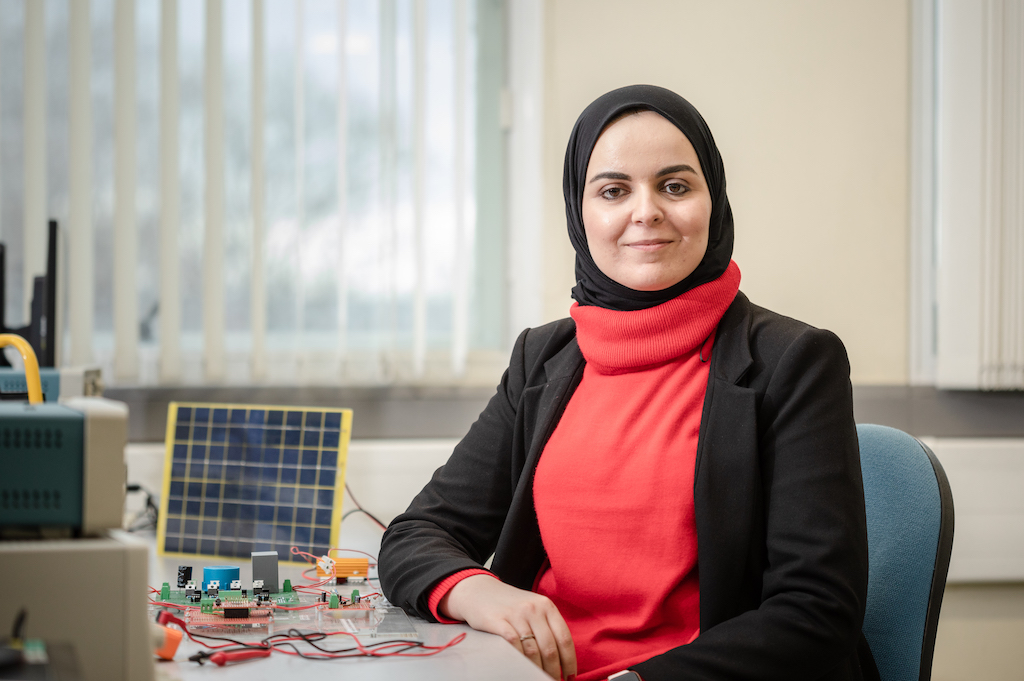
School of Electronic and Electrical Engineering, University of Leeds
She leads institution-wide initiatives to embed inclusive-by-design approaches within engineering education, developing practical frameworks, guidance, and professional development that support educators in creating accessible, equitable, and inclusive learning environments. Her work has informed institutional policy and practice and has contributed to improving assessment, feedback, and the student experience across engineering education.
Dr Al Arefi is a passionate advocate for improving the attraction, participation, and retention of women in engineering and for widening participation in STEM more broadly. She actively contributes to national initiatives that promote equity, diversity, and inclusion within engineering education and the engineering profession. Her contributions have been recognised through the University of Leeds Teaching Awards, and her selection as a finalist for the Institution of Engineering and Technology (IET) Young Woman Engineer of the Year Awards and the Women’s Engineering Society (WES) WE50 Awards.
Through her educational leadership, research, and professional engagement, Dr Al Arefi is committed to supporting engineering educators in creating inclusive learning environments in which all students can thrive and succeed.

Cranfield University

Lealands High School / Kings College London

University of Nottingham

Coventry University

The Royal Academy of Engineering
(Leadership Team Member)
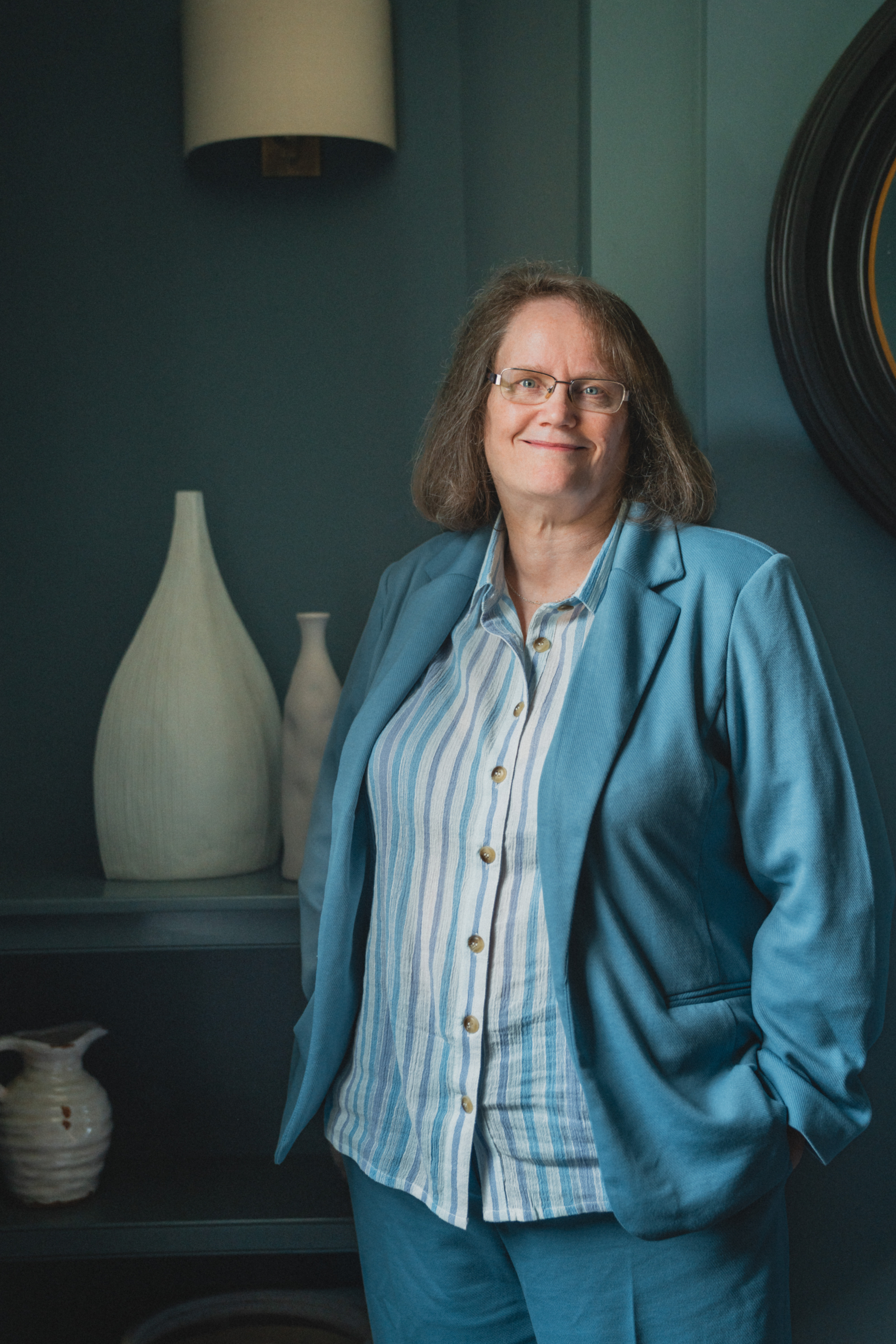
Inclusient Ltd

The Open University
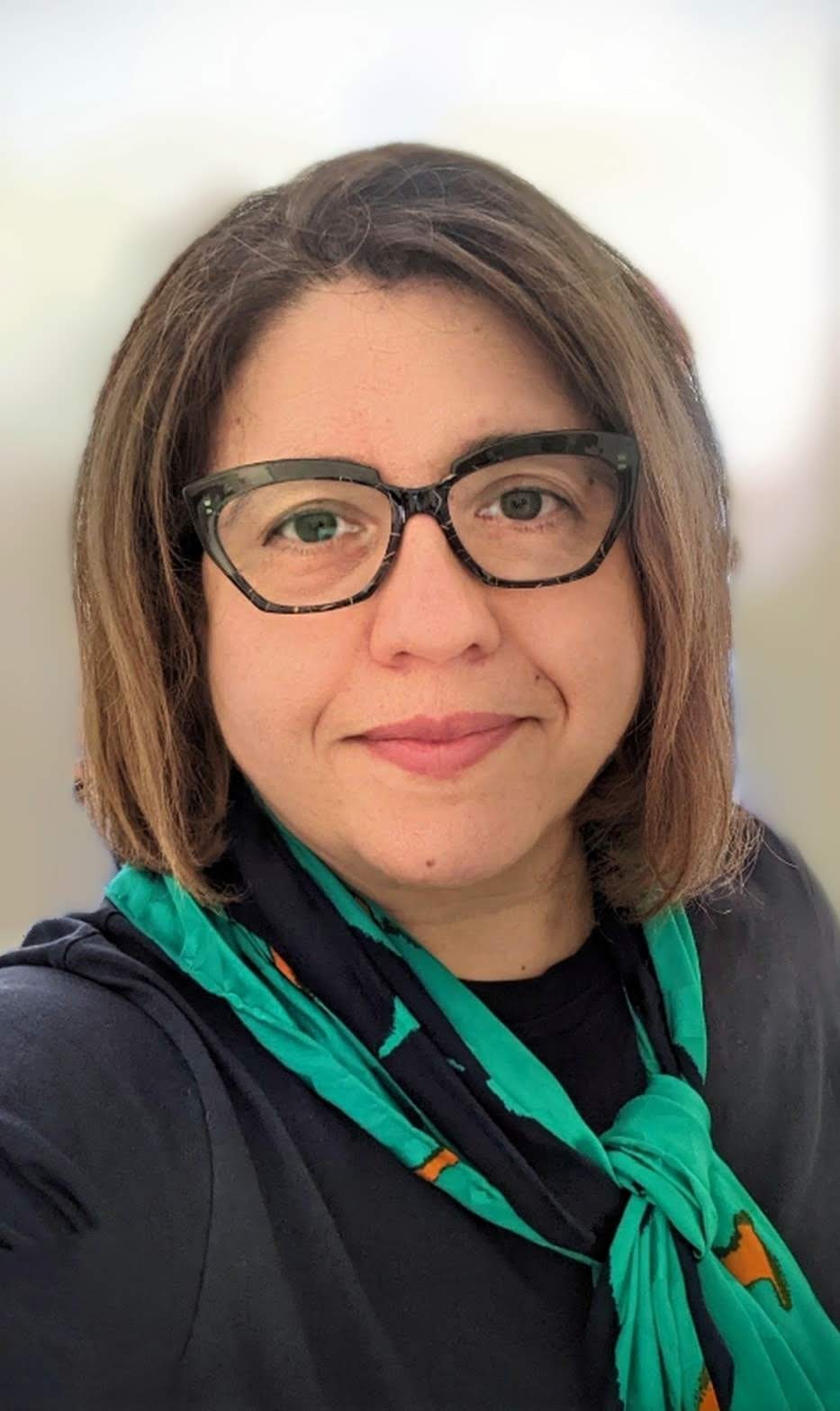
Northeastern University London

University of Birmingham, Dubai Campus

Alstom
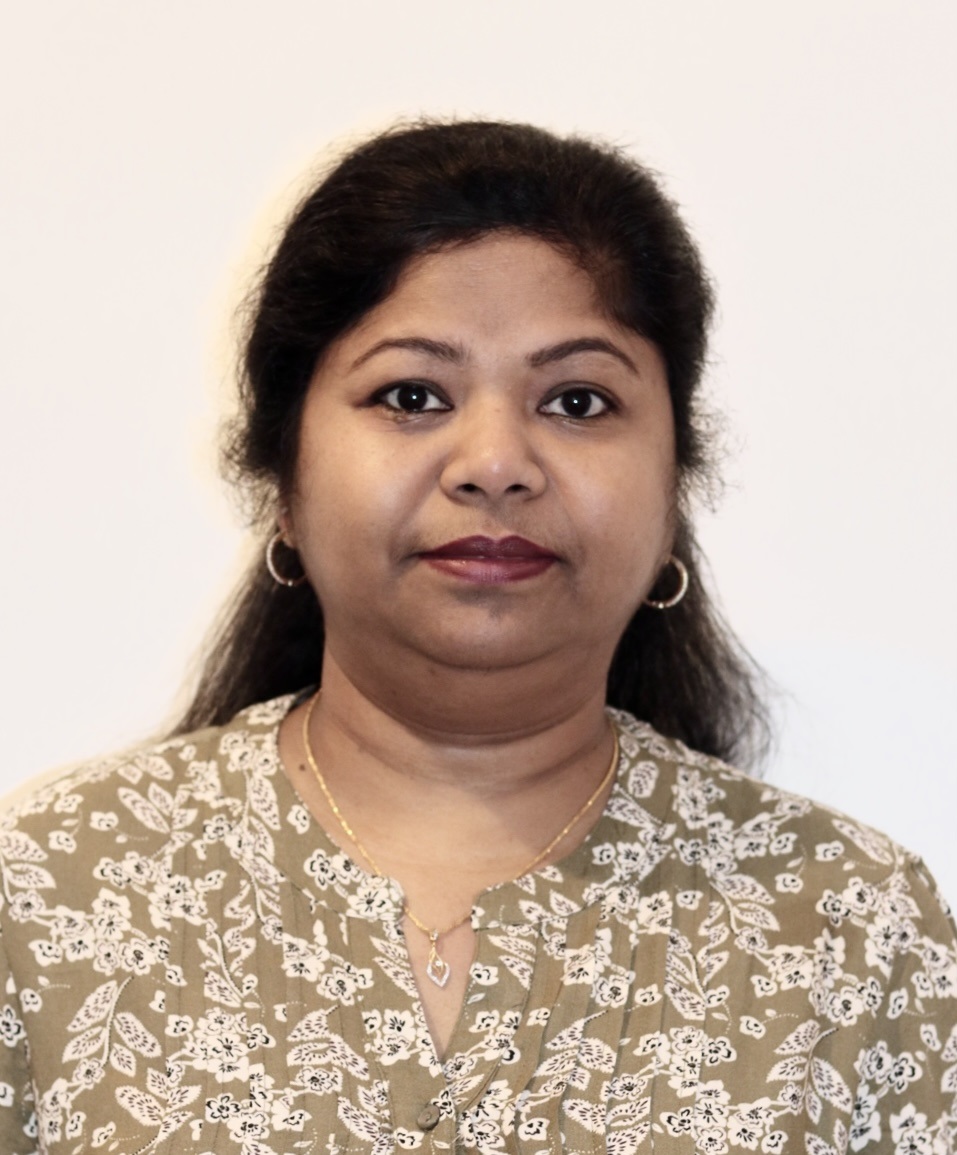
University College London

Advance HE

University of Salford
The Royal Academy of Engineering
(Leadership Team Member)
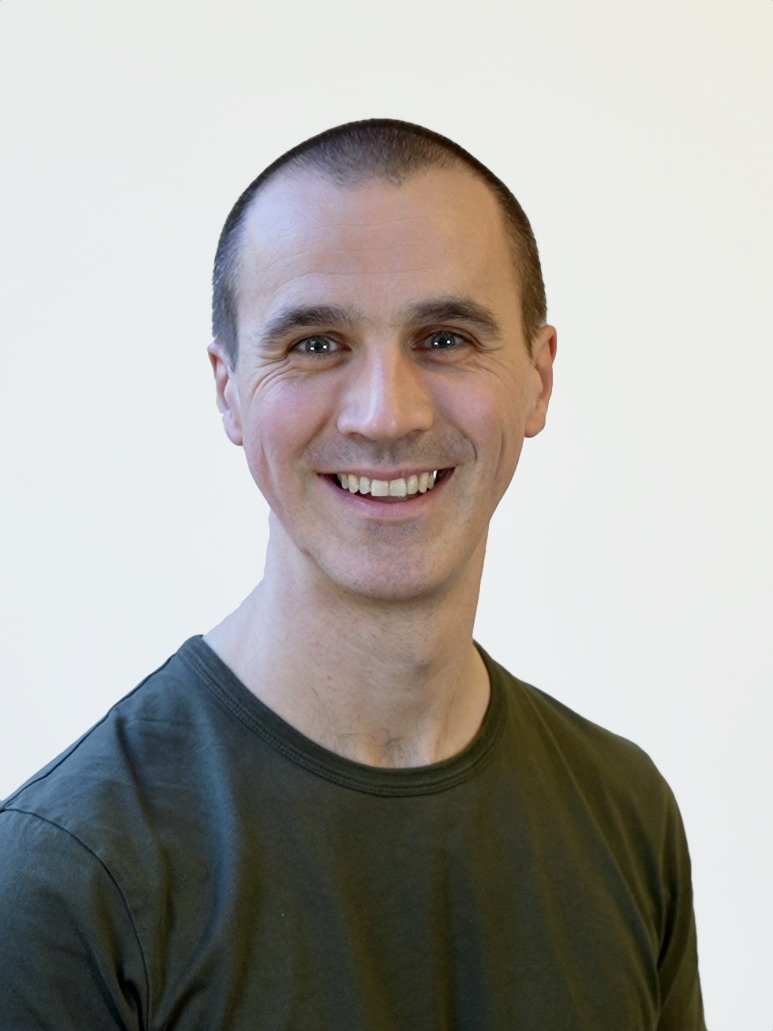
University of Glasgow

GHD
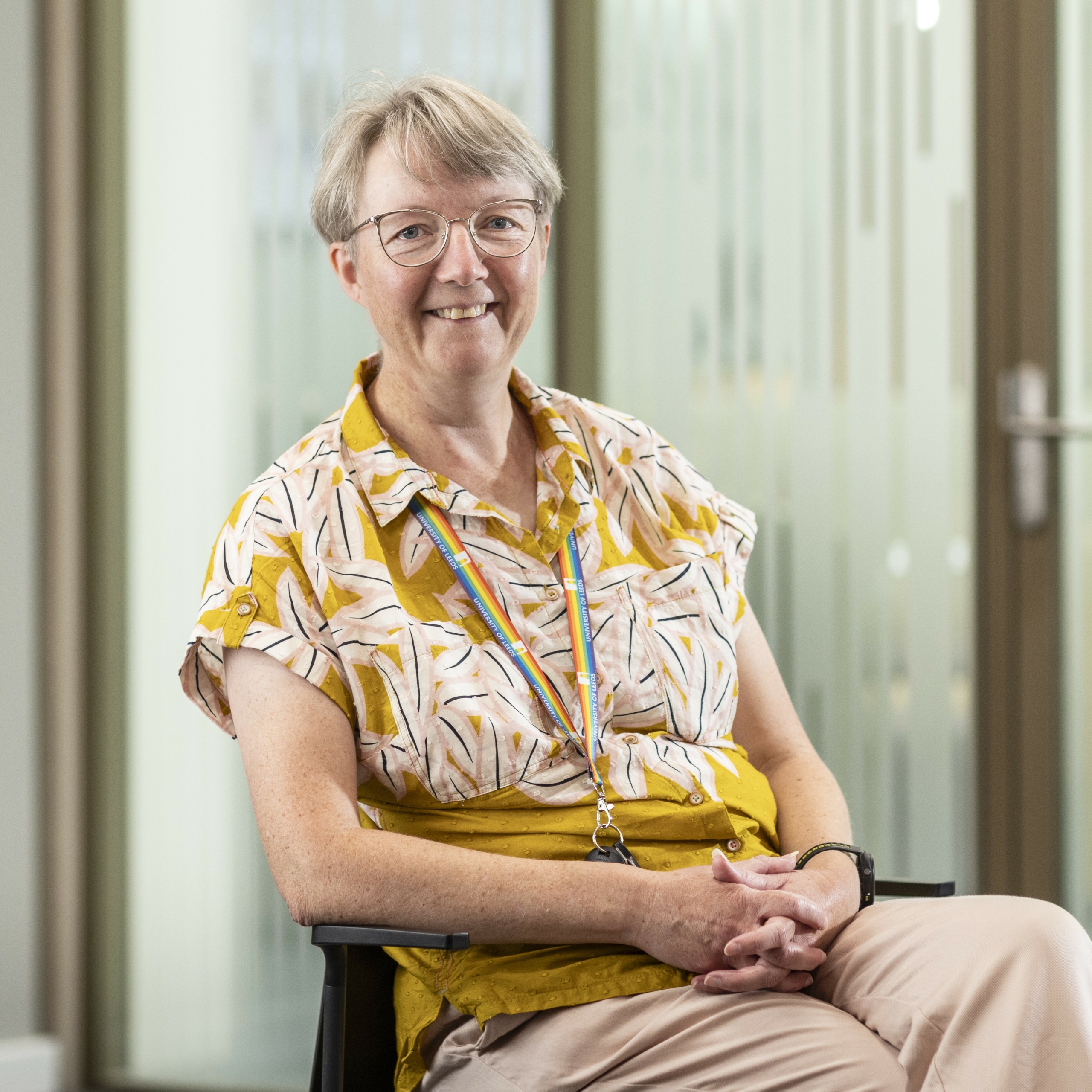
University of Leeds

University College London
(Co-Chair / Leadership Team Member)

NewGiza University

Cardiff University
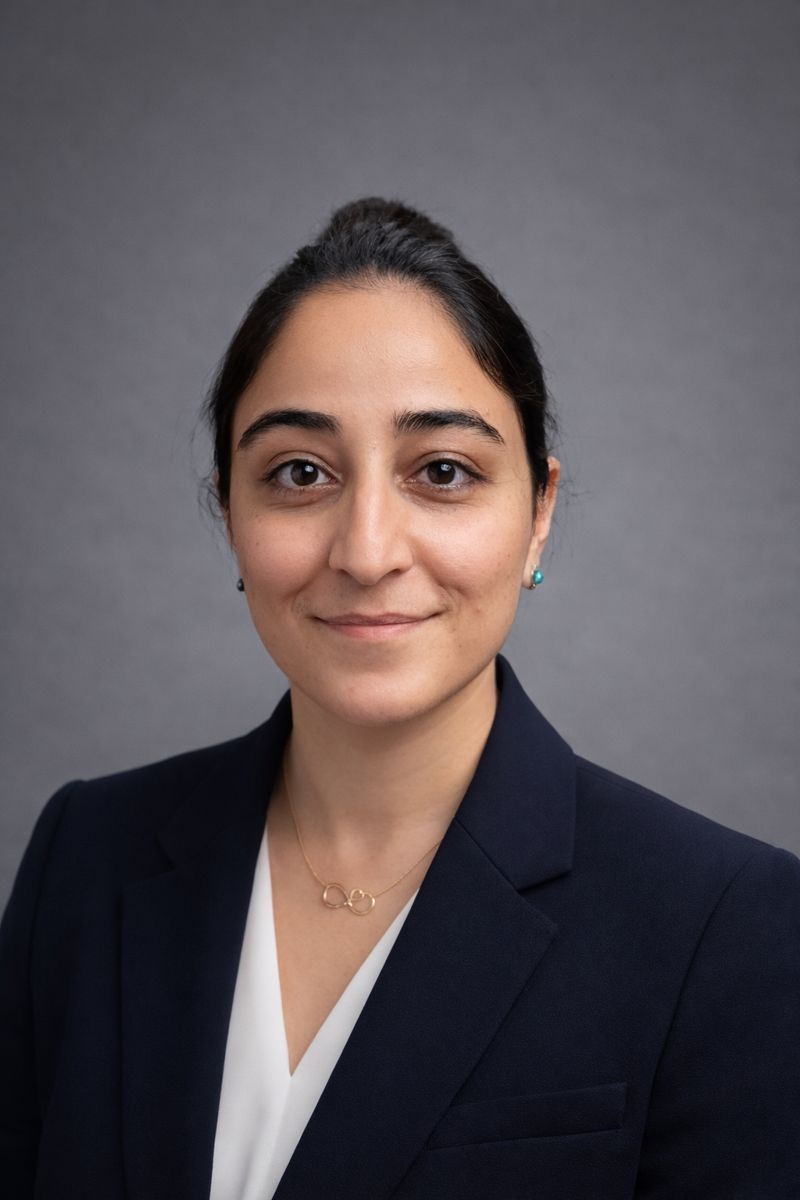
University of Kansas

University of Leeds

OutEngineered
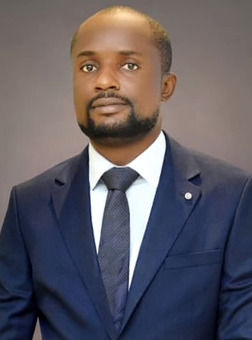
KatexPower
Engineering Professors’ Council
(Project Manager / Leadership Team Member)

University College London
(Co-Chair / Leadership Team Member)

Wrexham University
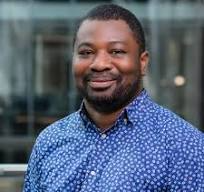
University of Sheffield
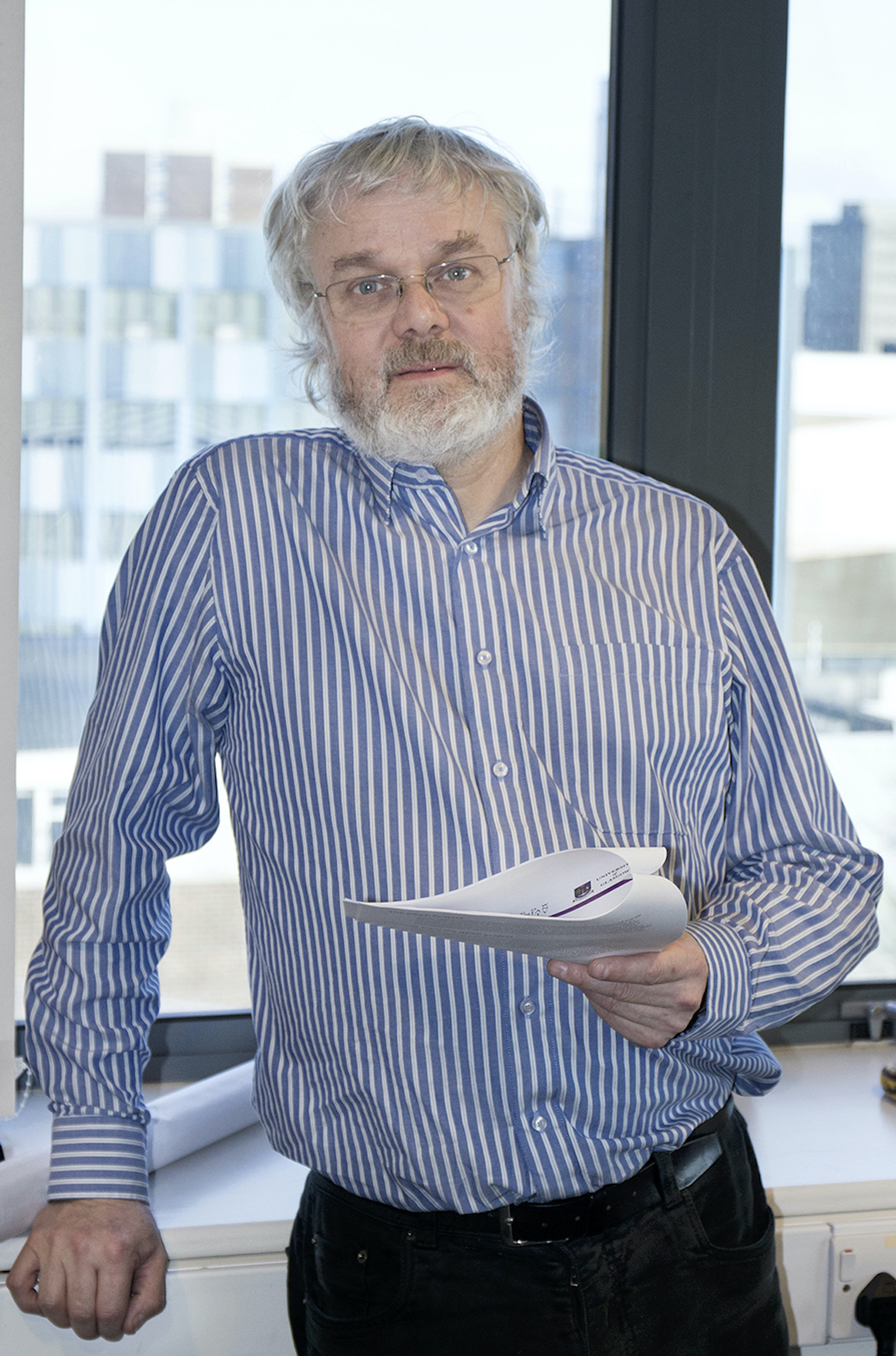
Northumbria University

Katalytik

University of Bath

Engineering Professors’ Council
(Leadership Team Member)

University of Sheffield

University of Warwick

University of Manchester
(Chair / Leadership Team Member)

University of Nottingham
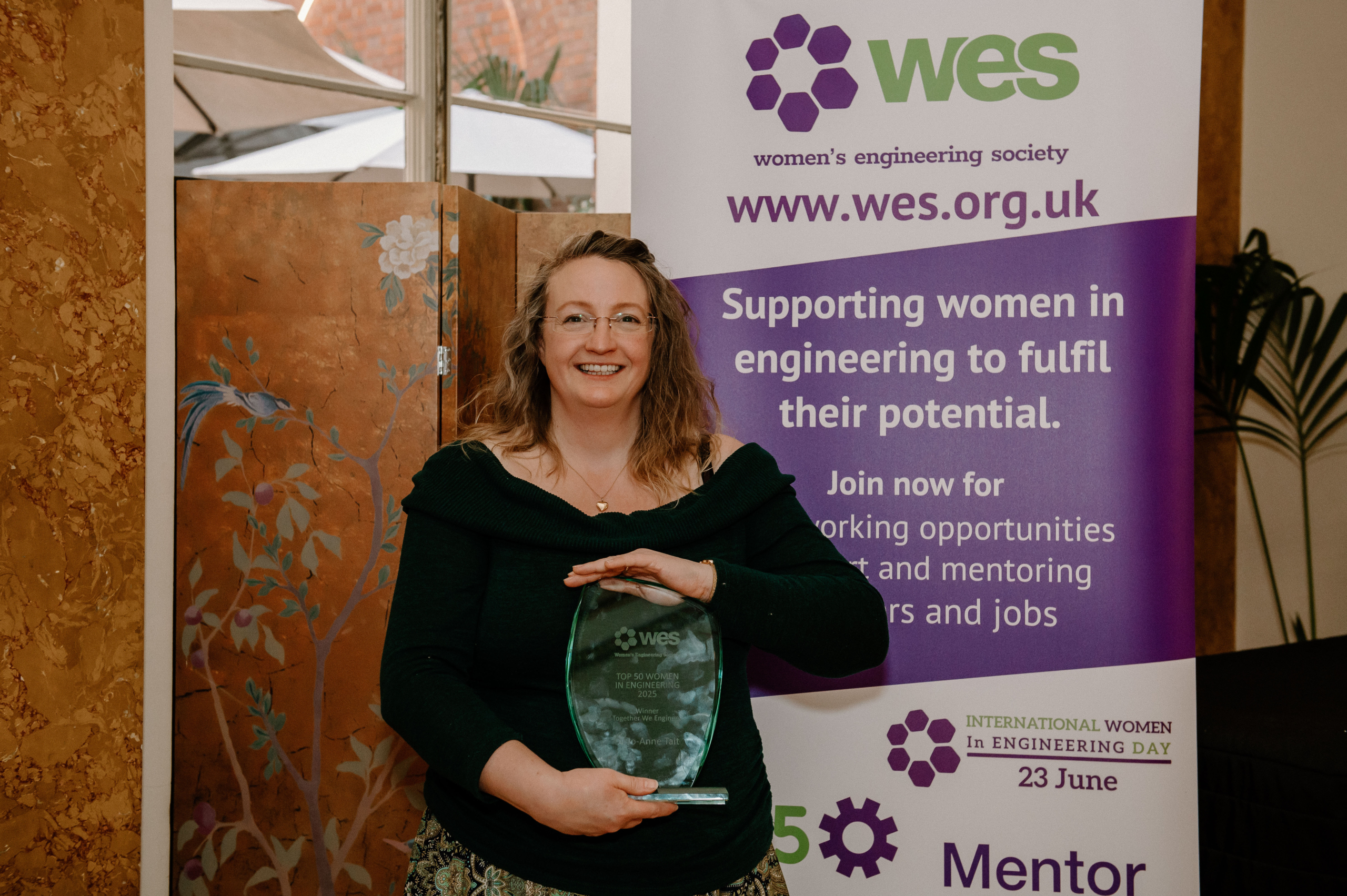
Robert Gordon University
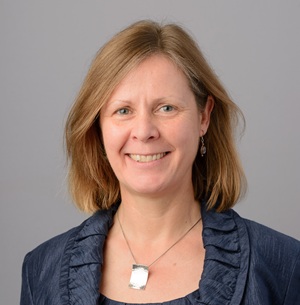
Engineering Council

UCL

London South Bank Univeristy
Hua’s research interests span several cutting-edge areas, including building environment systems engineering, digital and smart construction, lean management, and sustainable technologies. She has successfully secured funding from various sources, such as the UKRI Natural Environment Research Council (NERC), the Engineering and Physical Sciences Research Council (EPSRC), British Academy and the British Council. Hua is the EPSRC-WES EDI ambassador and EPSRC EDI energy plus Fellow.
Hua is also the Technology Transfer Committee Chair for the American Society of Heating, Refrigerating and Air-Conditioning Engineers (ASHRAE) UK Chapter, and serves as the co-chair for the Student Development Committee.