Author: Dr. Sarah Jayne Hitt Ph.D. SFHEA (NMITE, Edinburgh Napier University).
Topic: Building sustainability awareness.
Tool type: Teaching.
Relevant disciplines: Any.
Keywords: Everyday ethics; Communication; Teaching or embedding sustainability; Knowledge exchange; SDGs; Risk analysis; Interdisciplinary; Social responsibility; AHEP; Sustainability; Higher education.
Sustainability competency: Systems thinking; Critical thinking; Self-awareness, Normative.UNESCO has developed eight key competencies for sustainability that are aimed at learners of all ages worldwide. Many versions of these exist, as are linked here*. In the UK, these have been adapted within higher education by AdvanceHE and the QAA with appropriate learning outcomes. The full list of competencies and learning outcome alignment can be found in the Education for Sustainable Development Guidance*. *Click the pink ''Sustainability competency'' text to learn more.
AHEP mapping: This resource addresses two of the themes from the UK’s Accreditation of Higher Education Programmes fourth edition (AHEP4): The Engineer and Society (acknowledging that engineering activity can have a significant societal impact) and Engineering Practice (the practical application of engineering concepts, tools and professional skills). To map this resource to AHEP outcomes specific to a programme under these themes, access AHEP 4 here and navigate to pages 30-31 and 35-37.
Related SDGs: Many SDGs could relate to this activity, depending on what students focus on. Teachers could choose to introduce the SDGs and dimensions of sustainability prior to the students doing the activity or the students could complete part one without this introduction, and follow on to further parts after an introduction to these topics.
Reimagined Degree Map Intervention: Active pedagogies and mindset development.The Reimagined Degree Map is a guide to help engineering departments navigate the decisions that are urgently required to ensure degrees prepare students for 21st century challenges. Click the pink ''Reimagined Degree Map Intervention'' text to learn more.
Educational level: Beginner / Intermediate.
Learning and teaching notes:
This learning activity is designed to build students’ awareness of different dimensions of sustainability through reflection on their everyday activities.This activity is presented in two parts. If desired, a teacher can use Part one in isolation, but Part two develops and complicates the concepts presented in Part one to provide for additional learning. Educators could incorporate shorter or longer versions of the activity as fits their needs and contexts. This activity could be presented without a focus on a specific area of engineering, or, students could be asked to do this around a particular discipline. Another powerful option would be to do the activity once at the beginning of term and then again at the end of term, asking students to reflect on how their perceptions have changed after learning more about sustainability.
This activity could be delivered as an in-class small group discussion, as an individual writing assignment, or a combination of both. Students could even make a short video or poster that captures their insights.
Learners have the opportunity to:
Develop awareness around personal connections to sustainability issues;
Engage in reflection;
Undertake informal research;
Practice communication in multiple modes.
Teachers have the opportunity to:
Introduce topics of sustainable development the UNSDGs, and dimensions of sustainability;
Evaluate critical thinking and/or written and/or verbal communication skills;
Introduce or contextualise issues around materials, manufacturing, supply chain, energy/water consumption, and end-of-life.
Choose 3 activities that you do every day. These could be things like: brushing your teeth, commuting, cooking a meal, messaging your friends and family, etc. For each activity, consider the following as they connect to this activity:
Materials and energy required to do the activity;
Manufacturing and transportation required to enable you to do it;
Water consumed and waste generated for all of the above.
To help you consider these elements, list the “stuff” that is involved in doing each activity—for example, in the case of brushing your teeth, this would include the toothbrush, the toothpaste, the container(s) the toothpaste comes in, the sink, the tap, and the water.
What are the “ingredients” or materials that make up this stuff?
Where is this stuff made? If you don’t know, can you find out? If you can’t find out, why?
How did this stuff get to you? Can you uncover the “chain of custody” from where it was made to how it arrived in your possession? If not, what links in the chain are missing and what might that mean?
Where does it go when you are done with it, and whose responsibility is it? How circular is the waste disposal system related to this stuff?
Who besides you is involved in this process of supply, use, and disposal? This could include companies, government entities, and/or community and financial organisations.
Which engineering disciplines inform the creation, distribution, use, and disposal of this stuff?
Part two:
Teachers may want to preface this part of the activity through an introduction to the SDGs, or, they may want to allow students to investigate the SDGs as they are related to these everyday activities. Students could engage in the following:
Research and report on which SDG(s) are connected to this daily activity.
Compare and contrast how this daily activity is conducted in different countries—how do differences in policies and infrastructure affect how it is done, and how sustainable it is?
Suggest improvements to systems that would enable a more sustainable approach to this activity, from the perspective of design, manufacture, use, and disposal.
Debate the challenges, risks, and benefits to enacting these improvements.
Create a solution to an aspect of the activity that is not as sustainable as it could be.
Develop a campaign to influence a stakeholder to change a process in such a way that would make the activity more sustainable.
Acknowledgements: This activity is based on an Ethical Autobiography activity developed by Professor Sandy Woodson and other instructors of the “Nature and Human Values” module at the Colorado School of Mines.
Any views, thoughts, and opinions expressed herein are solely that of the author(s) and do not necessarily reflect the views, opinions, policies, or position of the Engineering Professors’ Council or the Toolkit sponsors and supporters.
Keywords: Climate change; Water and sanitation; Renewable energy; Battery Technologies; Recycling or recycled materials; AHEP; Sustainability; Student support; Local community; Environment; Future generations; Risk; Higher education; Assessment; Project brief.
Sustainability competency: Systems thinking; Anticipatory; Strategic; Integrated problem-solving; Normative.UNESCO has developed eight key competencies for sustainability that are aimed at learners of all ages worldwide. Many versions of these exist, as are linked here*. In the UK, these have been adapted within higher education by AdvanceHE and the QAA with appropriate learning outcomes. The full list of competencies and learning outcome alignment can be found in the Education for Sustainable Development Guidance*. *Click the pink ''Sustainability competency'' text to learn more.
AHEP mapping: This resource addresses two of the themes from the UK’s Accreditation of Higher Education Programmes fourth edition (AHEP4): The Engineer and Society (acknowledging that engineering activity can have a significant societal impact) and Engineering Practice (the practical application of engineering concepts, tools and professional skills). To map this resource to AHEP outcomes specific to a programme under these themes, access AHEP 4 here and navigate to pages 30-31 and 35-37. Potential alignments with AHEP criteria are shown below.
Related SDGs: SDG 7 (Affordable and Clean Energy); SDG 11 (Sustainable Cities and Communities).
Reimagined Degree Map Intervention: More real-world complexity; Active pedagogies and mindset development; Authentic assessment.The Reimagined Degree Map is a guide to help engineering departments navigate the decisions that are urgently required to ensure degrees prepare students for 21st century challenges. Click the pink ''Reimagined Degree Map Intervention'' text to learn more.
Educational level: Intermediate / Advanced.
Learning and teaching notes:
This resource outlines a project brief that requires an engineer to assess the local area to understand the scale of flooding and the local context. This will highlight how climate change affects everyday life, how water usage is changing and happening on our doorstep.
The project also requires the engineer to be considerate of the needs of a local business and showcases how climate change affects the economy and individual lives, enabling some degree of empathy and compassion to this exercise.
Depending upon the level of the students and considering the needs of modules or learning outcomes, the project could follow either or both of the following pathways:
Pathway 1 – Introduction to Electronic Engineering (beginner/intermediate- Level 4)
LO1: Describe the operation of electronic circuits and associated discrete components (AHEP4: SM1m).
LO2: Compare the operation principles of a variety of electronic sensors and actuators and apply them to a given task (AHEP4: EA2m).
LO3: Interpret how transistors and operational amplifiers function (AHEP4: EA4m).
LO4: Know how amplifiers operate and assess their performance for a given application (AHEP4: EA1m; EA2m).
LO5: Integrate the operation of an actuator, sensor, and power supply into a system for a given task (AHEP4: EA4m; EA6m).
In this pathway, the project deliverables could be in the form of a physical artefact, together with a technical specification.
Pathway 2 – Electromagnetics in Engineering (intermediate/advanced- Level 5)
LO1: communicate the primary challenges inherent in wireless communication (AHEP4: SM1m)
LO2: devise solutions to a given design challenge (AHEP4: SM1m; SM3m) In this pathway, the project deliverable could be in the form of a Technical Report.
This project allows teachers the option to stop at multiple points for questions and/or activities as desired.
Learners have the opportunity to:
analyse local environmental factors that affect river water levels,
appreciate local planning with respect to installing devices on or near a riverbank,
consider how to communicate with a variety of stakeholders,
undertake cost-benefit and value trade-off analysis in the context of using sustainable materials,
undertake cost-benefit and value trade-off analysis in the context of using renewable energy,
practise argument and reasoning related to sustainability dilemmas.
Teachers have the opportunity to:
introduce concepts related to climate change in the local environment,
introduce concepts related to environmental sensors,
introduce concepts related to renewable energy sources,
introduce concepts related to battery systems,
introduce concepts related to local planning laws,
informally evaluate students’ argument and reasoning skills,
integrate technical content in the areas of electrical or mechanical engineering related to water level monitoring,
authentically assess a team activity and individual work.
A local business premises near to a river has been suffering from severe flooding over the last 10 years. The business owner seeks to install a warning system that can provide adequate notice of a possible flood situation.
Time frame & structure: This project can be completed over 30 hours, either in a block covering 2-3 weeks (preferred) or 1 hour per week over the academic term. This project should be attempted in teams of 3-5 students. This would enable the group to develop a prototype, but the Specification (Pathway 1) and Technical Report (Pathway 2) could be individual submissions without collusion to enable individual assessment.
It is recommended that a genuine premises is found that has had the issues described above and a site visit could be made. This will not only give much needed context to the scenario but will also trigger emotional response and personal ownership to the problem.
To prepare for activities related to sustainability, teachers may want to read, or assign students to pre-read the following article: ‘Mean or Green: Which values can promote stable pro-environmental behaviour?’
Context and Stakeholders:
Flooding in the local town has become more prevalent over recent years, impacting homes and businesses. A local coffee shop priding itself on its ethical credentials is located adjacent to the river and is one of the businesses that has suffered from severe flooding over the last 10 years, causing thousands of pounds worth of spoilt stock and loss of revenue. The local council’s flood warning system is far from adequate to protect individuals on a site-by-site basis. So the shop is looking for an individual warning system, giving the manager and staff adequate notice of a possible flood situation. This will enable stock to be moved in good time to a safer drier location. The shop manager is very conscious of wanting to implement a sustainable design that uses sustainable materials and renewable energy, to promote the values of the shop. It is becoming clear that such a solution would also benefit other businesses that experience flooding and a wider solution should also be considered.
Pathway 1
This project requires assessment of the local area and ideally a visit to the retailer to understand their needs and consider options for water level monitoring. You are required to consider environmental and sustainable factors when presenting a solution.
After a visit to the premises:
Discussion: What is your initial reaction to the effects of the flooding and doesit surprise you? What might your initial reaction reveal to you about your own perspectives and values?
Discussion: What is your initial reaction to the causes of the flooding anddoes it surprise you? What might your initial reaction reveal to you about your own perspectives and values?
Discussion and activity: List the potential issues and risks to installing a device in or near to the river bank.
Activity: Research water level monitoring. What are the main technical and logistical issues with this technology in this scenario?
Activity: Both cost-benefit and sustainable trade-off analyses are valuable approaches to consider in this case. Determine the possible courses of action and undertake both types of analysis for each position by considering both short- and long-term consequences.
Reflection: Obligations to future generations: Do we have a responsibility to provide a safe and healthy environment for humans that don’t yet exist, or for an ecosystem that will eventually change?
Design Process:
To satisfy the learning outcomes identified above the following activities are suggested.
Assessment activity 1 – Physical artefact:
Design, build and test a prototype flood warning device, monitoring various water levels and controlling an output or outputs in an alarm condition to meet the following as a minimum:
a) The device will require the use of an analogue sensor that will directly or indirectly output an electrical signal proportional to the water level.
b) It will integrate to appropriate Operational Amplifier circuitry.
c) The circuitry will control an output device or devices.
d) The power consumption of the complete circuit will be assessed to allow an appropriate renewable energy supply to be specified (but not necessarily be part of the build).
The written specification and accompanying drawings shall enable a solution to be manufactured based on the study, evaluation and affirmation of the product requirements.
The evaluation of the product requirements and consequent component selection will reference the use of design tools and problem-solving techniques. In compiling the specification the component selection and integration will highlight the underlying engineering principles that have been followed. The specification shall be no more than 1000 words (plus illustrations and references).
Pathway 2
This project requires assessment of the local area and ideally a visit to the retailer to understand their needs and consider options for water level monitoring.
You are required to consider environmental and sustainable factors when presenting a solution.
After a visit to the premises:
Discussion: What is your initial reaction to the effects of the flooding and does it surprise you? What might your initial reaction reveal to you about your own perspectives and values?
Discussion: What is your initial reaction to the causes of the flooding anddoes it surprise you? What might your initial reaction reveal to you about your own perspectives and values?
Discussion and activity: List the potential issues and risks to installing a device in or near to the river bank.
Activity:Both cost-benefit and sustainable trade-off analyses are valuable approaches to consider in this case. Determine the possible courses of action and undertake both types of analysis for each position by considering both short- and long-term consequences.
Wireless communication of information electronically is now commonplace. It’s important for the learners to understand the differences between the various types both technically and commercially to enable the most appropriate form of communication to be chosen.
Pathway 1 above explains the need for a flood warning device to monitor water levels of a river. In Pathway 2, this part of the challenge (which could be achieved in isolation) is to communicate this information from the river to an office location within the town.
Design Process:
Design a communications system that will transmit data, equivalent to the height of the river in metres. The maximum frequency and distance over which the data can be transmitted should be explored and defined, but as a minimum this data should be sent every 20 seconds over a distance of 500m.
Assessment activity – Technical report:
A set of user requirements and two possible technical solutions shall be presented in the form of a Technical Report:
Highlighting the benefits and drawbacks of each.
Explaining the inherent challenges in wireless communication that defined your selections
Design tools and problem-solving techniques should be used to define the product requirements and consequent component selection
The report shall be no more than 3000 words (plus illustrations and references)
Any views, thoughts, and opinions expressed herein are solely that of the author(s) and do not necessarily reflect the views, opinions, policies, or position of the Engineering Professors’ Council or the Toolkit sponsors and supporters.
Sustainability competency: Anticipatory; Strategic; Integrated problem-solving.UNESCO has developed eight key competencies for sustainability that are aimed at learners of all ages worldwide. Many versions of these exist, as are linked here*. In the UK, these have been adapted within higher education by AdvanceHE and the QAA with appropriate learning outcomes. The full list of competencies and learning outcome alignment can be found in the Education for Sustainable Development Guidance*. *Click the pink ''Sustainability competency'' text to learn more.
AHEP mapping: This resource addresses two of the themes from the UK’s Accreditation of Higher Education Programmes fourth edition (AHEP4): The Engineer and Society (acknowledging that engineering activity can have a significant societal impact) and Engineering Practice (the practical application of engineering concepts, tools and professional skills). To map this resource to AHEP outcomes specific to a programme under these themes, access AHEP 4 here and navigate to pages 30-31 and 35-37.
Related SDGs: SDG7 (Affordable and Clean Energy); SDG 10 (Reduced Inequalities); SDG 11 (Sustainable Cities and Communities).
Reimagined Degree Map Intervention: More real-world complexity; Active pedagogies and mindset development; Cross-disciplinarity. The Reimagined Degree Map is a guide to help engineering departments navigate the decisions that are urgently required to ensure degrees prepare students for 21st century challenges. Click the pink ''Reimagined Degree Map Intervention'' text to learn more.
Educational level: Intermediate.
Learning and teaching notes:
This case study offers learners an explorative journey through the multifaceted aspects of deploying off-grid renewable solutions, considering practical, ethical, and societal implications. It dwells on themes such as Engineering and Sustainable Development (emphasizing the role of engineering in driving sustainable initiatives) and Engineering Practice (exploring the application of engineering principles in real-world contexts).
The dilemma in this case is presented in six parts. If desired, a teacher can use Part one in isolation, but Parts two and three develop and complicate the concepts presented in Part one to provide for additional learning. The case study allows teachers the option to stop at multiple points for questions and/or activities, as desired.
Learners have the opportunity to:
Recognise the significance of the SDGs in engineering solutions;
Enhance their skills in applying sustainable engineering practices in real-world scenarios.
Delve into the complexities of implementing off-grid solutions.
Navigate through the ethical considerations of deploying technologies in remote, often vulnerable, communities.
Engage in critical thinking to balance technological, societal, and environmental aspects.
Teachers have the opportunity to:
Highlight the importance of SDGs in engineering.
Facilitate discussions on ethical implications in technology deployment.
Evaluate learners’ ability to devise sustainable and ethical engineering solutions.
DGS; Planning and installing photovoltaic systems: A guide for installers, architects and engineers; ISBN: 978-1849713436; Planning and installing series.
In accordance with a report from the International Energy Agency (IEA) and statistics provided by the World Bank, approximately 633 million individuals in Africa currently lack access to electricity. This stark reality has significant implications for the remote villages across the continent, where challenges related to energy access persistently impact various aspects of daily life and stall social and economic development. In response to this critical issue, the deployment of off-grid renewable solutions emerges as a promising and sustainable alternative. Such solutions have the potential to not only address the pressing energy gap but also to catalyse development in isolated regions.
Situated in one of Egypt’s most breathtaking desert landscapes, Siwa holds a position of immense natural heritage importance within Egypt and on a global scale. The region is home to highly endangered species, some of which have restricted distributions found only in Siwa Oasis. Classified as a remote area, a particular community in Siwa Oasis currently relies predominantly on diesel generators for its power needs, as it remains disconnected from the national grid. Moreover, extending the national grid to this location is deemed economically and environmentally impractical, given the long distances and rugged terrain.
Despite these challenges, Siwa Oasis possesses abundant renewable resources that can serve as the foundation for implementing a reliable, economical, and sustainable energy source. Recognising the environmental significance of the area, the Egyptian Environmental Affairs Agency (EEAA) declared Siwa Oasis as a protected area in 2002.
Part one: Household energy for Siwa Oasis
Imagine being an electrical engineer tasked with developing an off-grid, sustainable power solution for Siwa Oasis village. Your goal is to develop a solution that not only addresses the power needs but also is sustainable, ethical, and has a positive impact on the community. The following data may help in developing your solution.
Data on Household Energy for Siwa Oasis:
Activities:
Analyse typical household appliances and their power consumption (lighting, refrigeration, pressing Iron).
Simulate daily energy usage patterns using smart meter data.
Identify peak usage times and propose strategies for energy conservation (example LED bulbs, etc)
Calculate appliance power consumption and estimate electricity costs.
Discussion:
a. How does this situation relate to SDG 7, and why is it essential for sustainable development?
b. What are the primary and secondary challenges of implementing off-grid solutions in remote villages?
Part two: Power supply options
Electricity supply in Siwa Oasis is mainly depends on Diesel Generators, 4 MAN Diesel Generators of 21 MW which are going to be wasted in four years, 2 CAT Diesel Generators of 5.2 MW and 1 MAN Diesel Generator 4 MW for emergency. Compare and contrast various power supply options for the household (renewable vs. fossil fuel).
Renewable: Focus on solar PV systems, including hands-on activities like solar panel power output measurements and battery sizing calculations.
Fossil fuel: Briefly discuss diesel generators and their environmental impact.
The Siwa Oasis community is divided over the choice of power supply options for their households. On one hand, there is a group advocating for a complete shift to renewable energy, emphasising the environmental benefits and long-term sustainability of solar PV systems. On the other hand, there is a faction arguing to continue relying on the existing diesel generators, citing concerns about the reliability and initial costs associated with solar power. The community must decide which power supply option aligns with their values, priorities, and long-term goals for sustainability and energy independence. This decision will not only impact their day-to-day lives but also shape the future of energy use in Siwa Oasis.
Optional STOP for questions and activities:
Debate: Is it ethical to impose new technologies on communities, even if it’s for perceived improvement of living conditions?
Discussion: How can engineers ensure the sustainability (environmental and operational) of off-grid solutions in remote locations?
Activities: Students to design a basic solar PV system for the household, considering factors like energy demand, solar resource availability, and budget constraints.
Part three: Community mini-grid via harnessing the desert sun
Mini-grid systems (sometimes referred to as micro-grids) generally serve several buildings or entire communities. The abundant sunshine in Siwa community makes it ideal for solar photovoltaic (PV) systems and based on the load demand of the community, a solar PV mini grid solution will work perfectly.
Electrical components of a typical PV system can be classified into DC and AC.
DC components: The electrical connection of solar modules to the inverter constitutes the DC part of a PV installation. Its design requires particular care and reliable components, as there is a risk of significant accidents with high DC voltages and currents, especially due to electric arcs.
The key DC components are:
PV cables and connectors: PV modules are usually delivered with a junction box and pre-assembled cables with single-contact electrical connectors. They enable easy interconnection of individual modules in strings. Solar cables are made of copper or aluminum (more cost-efficient).
Combiner boxes: Here, incoming strings are connected in parallel, and the resulting current is channeled through an output terminal to the inverter. A combiner box usually contains all required protection devices, disconnectors, and measuring equipment for string monitoring.
AC components: The equipment installed on the AC side of the inverter depends on the size and voltage class of the grid connection (low-voltage (LV), medium-voltage (MV), or high-voltage (HV) grid). Utility-scale PV plants usually require the following equipment:
Transformers, to increase the inverter output voltage to the grid voltage level
AC cables, buried
Circuit breakers, switchgears, and protection devices, for large PV plants (MV/HV connection)
Electricity meters
Activities:
Research and discuss the safety precautions and regulations for working with DC systems.
Analyse the DC components of a typical PV system, including cables, connectors, and combiner boxes.
Calculate the voltage and current levels at different points in the DC circuit based on the system design.
Investigate the concept of power factor and its significance in grid stability and energy bills.
Analyse the power factor of common household appliances and discuss its impact on the mini-grid.
Propose strategies to improve the overall power factor of the mini-grid, such as using capacitors or choosing energy-efficient appliances.
Any views, thoughts, and opinions expressed herein are solely that of the author(s) and do not necessarily reflect the views, opinions, policies, or position of the Engineering Professors’ Council or the Toolkit sponsors and supporters.
Keywords: Circular business models; Teaching or embedding sustainability; Plastic waste; Plastic pollution; Recycling or recycled materials; Responsible consumption; Teamwork; Interdisciplinary; AHEP; Higher education.
Sustainability competency: Integrated problem-solving; Collaboration; Systems thinking.UNESCO has developed eight key competencies for sustainability that are aimed at learners of all ages worldwide. Many versions of these exist, as are linked here*. In the UK, these have been adapted within higher education by AdvanceHE and the QAA with appropriate learning outcomes. The full list of competencies and learning outcome alignment can be found in the Education for Sustainable Development Guidance*. *Click the pink ''Sustainability competency'' text to learn more.
AHEP mapping: This resource addresses two of the themes from the UK’s Accreditation of Higher Education Programmes fourth edition (AHEP4): The Engineer and Society (acknowledging that engineering activity can have a significant societal impact) and Engineering Practice (the practical application of engineering concepts, tools and professional skills). To map this resource to AHEP outcomes specific to a programme under these themes, access AHEP 4 here and navigate to pages 30-31 and 35-37.
Related SDGs: SDG 4 (Quality education); SDG 11 (Sustainable cities and communities); SDG 12 (Responsible consumption and production); SDG 13 (Climate action); SDG 14 (Life below water).
Reimagined Degree Map Intervention: More real-world complexity, Active pedagogies and mindset development, Authentic assessment, Cross-disciplinarity.The Reimagined Degree Map is a guide to help engineering departments navigate the decisions that are urgently required to ensure degrees prepare students for 21st century challenges. Click the pink ''Reimagined Degree Map Intervention'' text to learn more.
Educational level: Intermediate.
Learning and teaching notes:
This case study is focused on the role of engineers to address the problem of plastic waste in the context of sustainable operations and circular business solutions. It involves a team of engineers developing a start-up aiming to tackle plastic waste by converting it into infrastructure components (such as plastic bricks). As plastic waste is a global problem, the case can be customised by instructors when specifying the region in which it is set. The case incorporates several components, including stakeholder mapping, empirical surveys, risk assessment and policy-making. This case study is particularly suitable for interdisciplinary teamwork, with students from different disciplines bringing their specialised knowledge.
The case study asks students to research the data on how much plastic is produced and policies for the disposal of plastic, identify the regions most affected by plastic waste, develop a business plan for a circular business focused on transforming plastic waste into bricks and understand the risks of plastic production and waste as well as the risks of a business working with plastic waste. In this process, students gain an awareness of the societal context of plastic waste and the varying risks that different demographic categories are exposed to, as well as the role of engineers in contributing to the development of technologies for circular businesses. Students also get to apply their disciplinary knowledge to propose technical solutions to the problem of plastic waste.
The case is presented in parts. Part one addresses the broader context of plastic waste and could be used in isolation, but parts two and three further develop and add complexity to the engineering-specific elements of the topic.
Learners have the opportunity to:
apply their ethical judgement to a case study focused on a circular technology;
understand the national and supranational policy context related to the production and disposal of plastic;
analyse engineering and societal risks related to the development of a novel technology;
develop a business model for a circular technology dealing with plastic waste;
identify the key stakeholder groups in the development of a circular business model;
reflect on how risks may differ for different demographic groups and identify the stakeholder groups most vulnerable to the negative effects of plastic waste;
develop an empirical survey to identify the risks that stakeholders affected by or working with plastic waste are exposed to;
develop a risk assessment to identify the risks involved in the manufacturing of plastic waste bricks;
provide recommendations for lowering the risks in the manufacturing of plastic bricks.
Teachers have the opportunity to include teaching content purporting to:
Physico-chemical properties of plastic waste;
Manufacturing processes of plastic products and plastic bricks;
Sustainable policies targeting plastic usage and reduction;
Climate justice;
Circular entrepreneurship;
Risk assessment tools such as HAZOP and their application in the chemical industry.
Plastic pollution is a major challenge. It is predicted that if current trends continue, by 2050 there will be 26 billion metric tons of plastic waste, and almost half of this is expected to be dumped in landfills and the environment (Guglielmi, 2017). As plastic waste grows at an increased speed, it kills millions of animals each year, contaminates fresh water sources and affects human health. Across the world, geographical regions are affected differently by plastic waste. In fact, developing countries are more affected by plastic waste than developed nations. Existing reports trace a link between poverty and plastic waste, making it a development problem. Africa, Asia and South America see immense quantities of plastic generated elsewhere being dumped on their territory. At the moment, there are several policies in place targeting the production and disposal of plastic. Several of the policies active in developed regions such as the EU do not allow the disposal of plastic waste inside their own territorial boundaries, but allow it on outside territories.
Optional STOP for activities and discussion
Conduct research to identify 5 national or international regulations or policies about the use and disposal of plastic.
Compare these policies by stating which is the issuing policy body, what is the aim and scope of the policy.
Reflect on the effectiveness of each policy and debate in class what are the most effective policies you identified.
Write a reflection piece based on a policy of your choice targeting the use or disposal of plastic. In this reflection, identify the benefits of the policy as well as potential limitations. You may consider how you would improve the policy.
Conduct research to identify how much plastic is produced and how much plastic waste is generated in your region. Identify which sectors are the biggest producers of waste. Conduct research on how much of this plastic waste is being exported and where is it exported.
Identify the countries and companies with the biggest plastic footprint. Discuss in the classroom what you consider to contribute to these rankings.
Research global waste trading and identify the countries that are the biggest exporters and importers of plastic waste. Discuss the findings in classroom and what you consider to contribute to these rankings. Discuss whether there are or should be any restrictions governing global waste trade.
Write a report analysing the plastic footprint of a country or company of your choice. Include recommendations for minimising the plastic footprint.
Impressed by the magnitude of the problem of plastic waste faced today, together with a group of friends you met while studying engineering at the Technological University of the Future, you want to set up a green circular business. Circular business models aim to use and reuse materials for as long as possible, all while minimising waste. Your concern is to develop a sustainable technological solution to the problem of plastic waste. The vision for a circular economy for plastic rests on six key points (Ellen McArthur Foundation, n.d.):
Elimination of problematic or unnecessary plastic packaging through redesign, innovation, and new delivery models is a priority
Reuse models are applied where relevant, reducing the need for single-use packaging
All plastic packaging is 100% reusable, recyclable, or compostable
All plastic packaging is reused, recycled, or composted in practice
The use of plastic is fully decoupled from the consumption of finite resources
All plastic packaging is free of hazardous chemicals, and the health, safety, and rights of all people involved are respected
Optional STOP for group activities and discussion
Read about the example of the Great Plastic Bake Off and their project focused on converting plastic waste into plastic bricks. Research the chemical properties of plastic bricks and the process for the manufacturing process. Present your findings on a poster or discuss it in class.
Develop a concept map with ideas for potential sustainable technologies for reducing or recycling plastic waste. You may use as inspiration the Circular Strategies Scanner (available here).
Select one idea that you want to propose as the focus of your sustainable start-up. Give a name to your startup!
Describe the technology you want to produce: what is its aim? What problem can it solve or what gap can it address? What are the envisioned benefits of your technology? What are its key features?
Map the key stakeholders of the technology, by identifying the decision-makers for this technology, the beneficiaries of the technology, as well as those who are exposed to the risks of the technology
Analyse the market for your technology: are there businesses with a similar aim or similar technology? What differentiates your business or technology from them?
Identify key policies relevant to your technology: are there any policies or regulations in place that you should consider? In your geographical area, are there any policy incentives for sustainable technologies or businesses similar to the one you are developing?
For your start-up, assign different roles to the members of your group (such as technology officer, researcher, financial officer, communication manager, partnership director a.s.o) and describe the key tasks of each member. Identify how much personnel you would need
Identify the cost components and calculate the yearly costs for running your business (including personnel).
Perform a SWOT analysis of the Strengths, Weaknesses, Opportunities and Threats for your business. You may use this matrix to brainstorm each component.
Part three:
The start-up SuperRecycling aims to develop infrastructure solutions by converting plastic waste into bricks. Your team of engineers is tasked to develop a risk assessment for the operations of the factory in which this process will take place. The start-up is set in a developing country of your choice that is greatly affected by plastic waste.
Optional STOP for group activities and discussion
Agree on the geographical location of the startup SuperRecycling and identify the amount of plastic waste that your region has to cope with, as well as any other relevant socio-economic characteristics of the region.
Identify the demographic categories that are most exposed to the risks of plastic waste in the region.
Research and analyse the situation of the informal plastic waste picking sector in the region: who is picking up the waste? How much do they earn for working with waste? Is this a regular form of income and who pays this income? What does it mean to be an “informal” worker? Are there any key insights about the characteristics of the plastic waste workers that you find interesting?
Based on research and your own reflections, write a report on the role and risks that the plastic waste pickers are exposed to in their work.
Create an empirical survey with the aim of identifying the risks the plastic waste pickers are exposed to, as well as the strategies they take to mitigate risks or deal with accidents.
Create an empirical survey with the aim of identifying the risks that the factory workers at SuperRecycling are exposed to, as well as the strategies they take to mitigate risks or deal with accidents.
Research the manufacturing process for developing plastic bricks and analyse the technical characteristics of plastic bricks, based on existing tests.
With the classroom split into 2 groups, argue in favour or against their use of plastic bricks in construction. One group develops 5 arguments for the use of plastic bricks in construction, while the other group develops 5 arguments against the use of plastic bricks in construction. At the end, the groups disperse and students vote individually via an anonymous online poll whether they are personally in favour or against the use of plastic bricks in construction.
Create a HAZOP risk assessment for the manufacturing processes of the factory where plastic waste is converted into plastic bricks.
Develop an educational leaflet for preventing the key injuries and hazards in the process of converting plastic waste into bricks, both for the informal waste pickers and the factory workers.
Acknowledgement: The authors want to acknowledge the work of Engineers Without Borders Netherlands and its partners to tackle the problem of plastic waste. The case is based on the Challenge Based Learning exploratory course Decision Under Risk and Uncertainty designed by Diana Adela Martin at TU Eindhoven, where students got to work on a real-life project about the conversion of plastic waste into bricks to build a washroom facility in a school in Ghana, based on the activity of Engineers Without Borders Netherlands. The project was spearheaded by Suleman Audu and Jeremy Mantingh.
Any views, thoughts, and opinions expressed herein are solely that of the author(s) and do not necessarily reflect the views, opinions, policies, or position of the Engineering Professors’ Council or the Toolkit sponsors and supporters.
Keywords: Design and innovation; Conflicts of interest; Ethics; Regulatory compliance; Stakeholder engagement; Environmental impact; AHEP; Sustainability; Higher education; Pedagogy; Assessment.
Sustainability competency: Systems thinking; Anticipatory; Critical thinking; Integrated problem-solving; Strategic; Collaboration.UNESCO has developed eight key competencies for sustainability that are aimed at learners of all ages worldwide. Many versions of these exist, as are linked here*. In the UK, these have been adapted within higher education by AdvanceHE and the QAA with appropriate learning outcomes. The full list of competencies and learning outcome alignment can be found in the Education for Sustainable Development Guidance*. *Click the pink ''Sustainability competency'' text to learn more.
AHEP mapping: This resource addresses two of the themes from the UK’s Accreditation of Higher Education Programmes fourth edition (AHEP4): The Engineer and Society (acknowledging that engineering activity can have a significant societal impact) and Engineering Practice (the practical application of engineering concepts, tools and professional skills). To map this resource to AHEP outcomes specific to a programme under these themes, access AHEP 4 here and navigate to pages 30-31 and 35-37.
Related SDGs: SDG 7 (Affordable and Clean Energy); SDG 9 (Industry, Innovation and Infrastructure); SDG 12 (Responsible Consumption and Production); SDG 13 (Climate Action).
Reimagined Degree Map Intervention: More real-world complexity; Active pedagogies and mindset development; Authentic assessment.The Reimagined Degree Map is a guide to help engineering departments navigate the decisions that are urgently required to ensure degrees prepare students for 21st century challenges. Click the pink ''Reimagined Degree Map Intervention'' text to learn more.
Educational aim: Apply interdisciplinary engineering knowledge to a real-world sustainability challenge in aviation, foster ethical reasoning and decision-making with regards to environmental impact, and develop abilities to collaborate and communicate with a diverse range of stakeholders.
Educational level: Intermediate.
Learning and teaching notes:
This case study provides students an opportunity to explore the role of hydrogen fuel in the aviation industry. Considerable investments have been made in researching and developing hydrogen as a potential clean and sustainable energy source, particularly for hydrogen-powered aircraft. Despite the potential for hydrogen to be a green and clean fuel there are lingering questions over the long-term sustainability of hydrogen and whether technological advancements can progress rapidly enough to significantly reduce global carbon dioxide emissions. The debate around this issue is rich with diverse perspectives and a variety of interests to consider. Through this case study, students will apply their engineering expertise to navigate this complex problem and examine the competing interests involved.
This case is presented in parts, each focusing on a different sustainability issue, and with most parts incorporating technical content. Parts may be used in isolation, or may be used to build up the complexity of the case throughout a series of lessons.
Learners have the opportunity to:
Understand the principles of hydrogen production, storage, and emissions in the context of aviation.
Assess the environmental, economic, and social impacts of adopting hydrogen technology in the aviation industry.
Develop skills in making estimates and assumptions in real-world engineering scenarios.
Explore the ethical dimensions of engineering decisions, particularly concerning sustainability and resource management.
Examine the influence of policy and stakeholder perspectives on the adoption of green hydrogen within the aviation industry.
Teachers have the opportunity to:
Integrate concepts related to renewable energy sources, with a focus on hydrogen.
Discuss the engineering challenges and solutions in storing and utilising hydrogen in aviation.
Foster critical thinking about the balance between technological innovation, environmental sustainability, and societal impact.
Guide students in understanding the role of policy in shaping technological advancements and environmental strategies.
Assess students’ ability to apply engineering principles to solve complex, open-ended, real-world problems.
Supporting resources:
Learning and teaching resources:
Hydrogen fundamentals resources:
Case Study Workbook – designed for this study to give a broad overview of hydrogen, based primarily on the content below from US DoE.
Hydrogen Aware – Set of modules for a more comprehensive background to hydrogen with a UK-specific context.
We recommend encouraging the use of sources from a variety of stakeholders. Encourage students to find their own, but some examples are included below:
FlyZero Open Source Reports Archive: A variety of technical reports focused on hydrogen in aviation specifically including concept aircraft, potential life cycle emissions, storage, and usage.
Hydrogen in Aviation Alliance: Press release (September 2023) announcing an agreement amongst some of the major players in aviation to focus on hydrogen.
Safe Landing: A group of aviation workers campaigning for long-term employment. Projected airline growth is not compatible with net zero goals and the current technology is not ready for decarbonisation, action is drastically needed now to safeguard the aviation industry and prevent dangerous levels of warming.
UK Government Hydrogen Strategy: Sets out the UK government view of how to develop a low carbon hydrogen sector including aviation projects including considerations of how to create a market.
Pre-Session Work:
Students should be provided with an overview of the properties of hydrogen gas and the principles underlying the hydrogen economy: production, storage and transmission, and application. There are several free and available sources for this purpose (refer to the Hydrogen Fundamentals Resources above).
Introduction
“At Airbus, we believe hydrogen is one of the most promising decarbonisation technologies for aviation. This is why we consider hydrogen to be an important technology pathway to achieve our ambition of bringing a low-carbon commercial aircraft to market by 2035.” – Airbus, 2024
As indicated in the industry quote above, hydrogen is a growing area of research interest for aviation companies to decarbonise their fleet. In this case study, you are put in the role of working as an engineering consultant and your customer is a multinational aerospace corporation. They are keen to meet their government issued targets of reducing carbon emissions to reach net zero by 2050 and your consultancy team has been tasked with assessing the feasibility of powering a zero-emission aircraft using hydrogen. The key areas your customer is interested in are:
The feasibility of using green hydrogen as a fuel for zero-emission aviation;
The feasibility of storing hydrogen in a confined space like an aircraft;
Conducting a stakeholder analysis on the environmental impact of using hydrogen for aviation.
Part one: The aviation landscape
Air travel connects the world, enabling affordable and reliable mass transportation between continents. Despite massive advances in technology and infrastructure to produce more efficient aircraft and reduce passenger fuel consumption, carbon emissions have doubled since 2019 and are equivalent to 2.5 % of global CO2 emissions.
Activity: Discuss what renewable energy sources are you aware of that could be used for zero-emission aviation?
Your customer is interested in the feasibility of hydrogen for aviation fuel. However, there is a debate within the management team over the sustainability of hydrogen. As the lead engineering consultant, you must guide your customer in making an ethical and sustainable decision.
Hydrogen is a potential energy carrier which has a high energy content, making it a promising fuel for aviation. Green hydrogen is produced from water and is therefore potentially very clean. However, globally most hydrogen is currently made from fossil fuels with an associated carbon footprint. Naturally occurring as a gas, the low volumetric density makes it difficult to transport and add complications with storage and transportation.
Activity: From your understanding of hydrogen, what properties make it a promising fuel for aircraft? And what properties make it challenging?
Optional activity: Recap the key properties of hydrogen – particularly the low gas density and low boiling point which affect storage.
Part two: Hydrogen production
Hydrogen is naturally abundant but is often found combined with other elements in various forms such as hydrocarbons like methane (CH4) and water (H2O). Methods have been developed to extract hydrogen from these compounds. It is important to remember that hydrogen is an energy carrier and not an energy source; it must be generated from other primary energy sources (such as wind and solar) converting and storing energy in the form of hydrogen.
Research: What production methods of hydrogen are you aware of? Where does most of the world’s hydrogen come from currently?
The ideal scenario is to produce green hydrogen via electrolysis where water (H2O) is split using electricity into hydrogen (H2) and oxygen (O2). This makes green hydrogen potentially completely green and clean if the process uses electricity from renewable sources. The overall chemical reaction is shown below:
However, the use of water—a critical resource—as a feedstock for green hydrogen, especially in aviation, raises significant ethical concerns. Your customer’s management team is divided on the potential impact of this practice on global water scarcity, which has been exacerbated by climate change. You have been tasked with assessing the feasibility of using green hydrogen in aviation for your client. Your customer has chosen their London to New York route (3,500 nmi), one of their most popular, as a test-case.
Activity: Estimate how much water a hydrogen plane would require for a journey of 3500 nmi (London to New York). Can you validate your findings with any external sources?Hint: How much water does it take to produce 1 kg of green hydrogen? Consider the chemical equation above.
Activity: Consider scaling this up and estimate how much water the entire UK aviation fleet would require in one year. Compare your value to the annual UK water consumption, would it be feasible to use this amount of water for aviation?
Discussion: From your calculations and findings so far, discuss the practicality of using water for aviation fuel. Consider both the obstacles and opportunities involved in integrating green hydrogen in aviation and the specific challenges the aviation industry might face.
Despite its potential for green production, globally the majority of hydrogen is currently produced from fossil fuels – termed grey hydrogen. One of your team members has proposed using grey hydrogen as an interim solution to bridge the transition to green hydrogen, in order for the company to start developing the required hydrogen-related infrastructure at airports. They argue that carbon capture and storage technology could be used to reduce carbon emissions from grey hydrogen while still achieving the goal of decarbonisation. Hydrogen from fossil fuels with an additional carbon capture step is known as blue hydrogen.
However, this suggestion has sparked a heated debate within the management team. While acknowledging the potential to address the immediate concerns of generating enough hydrogen to establish the necessary infrastructure and procedures, many team members argued that it would be a contradictory approach. They highlighted the inherent contradiction of utilising fossil fuels, the primary driver of climate change, to achieve decarbonisation. They emphasised the importance of remaining consistent with the ultimate goal of transitioning away from fossil fuels altogether and reducing overall carbon emissions. Your expertise is now sought to weigh these options and advise the board on the best course of action.
Optional activity: Research the argument for and against using grey or blue hydrogen as an initial step in developing hydrogen infrastructure and procedures, as a means to eventually transition to green hydrogen. Contrast this with the strategy of directly implementing green hydrogen from the beginning. Split students into groups to address both sides of this debate.
Discussion: Deliberate on the merits and drawbacks of using grey or blue hydrogen to catalyse development of hydrogen aviation infrastructure. What would you recommend—prioritising green hydrogen development or starting with grey or blue hydrogen as a transitional step? How will you depict or visualise your recommendation to your client?
Part three: Hydrogen storage
Despite an impressive gravimetric energy density (the energy stored per unit mass of fuel) hydrogen has the lowest gas density and the second-lowest boiling point of all known chemical fuels. These unique properties pose challenges for storage and transportation, particularly in the constrained spaces of an aircraft.
Activity: Familiarise yourself with hydrogen storage methods. What hydrogen storage methods are you aware of? Thinking about an aviation context what would their advantages and disadvantages be?
As the lead engineering consultant, you have been tasked with providing expert advice on viable hydrogen storage options for aviation. Your customer has again chosen their London to New York route (3,500 nmi) as a test-case because it is one of their most popular, transatlantic routes. They want to know if hydrogen storage can be effectively managed for this route as it could set a precedent for wider adoption for their other long-haul flights. The plane journey from London to New York is estimated to require around 15,000 kg of hydrogen (or use the quantity estimated previously estimated in Part 2 – see Appendix for example).
Activity: Estimate the volume required to store the 15,000 kg of hydrogen as a compressed gas and as a liquid.
Discussion: How feasible are compressed gas and liquid hydrogen storage solutions? The space taken up by the fuel is one consideration but what other aspects are important to consider? How does this compare to the current storage solution for planes which use conventional jet fuel. Examples of topics to consider are: materials required for storage tanks, energy required to liquify or compress the hydrogen, practicality of hydrogen storage and transport to airports, location and distance between hydrogen generation and storage facilities, considerations of fuel leakage. When discussing encourage students to compare to the current state of the art, which is jet fuel.
Part four: Emissions and environmental impact
In Part four, we delve deeper into the environmental implications of using hydrogen as a fuel in aviation with a focus on emissions and their impacts across the lifecycle of a hydrogen plane. Aircraft can be powered using either direct combustion of hydrogen in gas turbines or by reacting hydrogen in a fuel cell to produce electricity that drives a propeller. As the lead engineering consultant, your customer has asked you to choose between hydrogen combustion in gas turbines or the reaction of hydrogen in fuel cells. The management team is divided on the environmental impacts of both methods, with some emphasising the technological readiness and efficiency of combustion and others advocating for the cleaner process of fuel cell reaction.
Activity: Research the main emissions associated with combustion of hydrogen and electrochemical reaction of hydrogen in fuel cells. Compare to the emissions associated with combustion of standard jet fuel.Students should consider not only CO2 emissions but also other pollutants such as NOx, SOx, and particulate matter.
Discussion: What are the implications of these emissions on air quality and climate change. Discuss the trade-offs between the different methods of utilising hydrogen in terms of the environmental impact. Compare to the current standard of jet fuel combustion.
Both combustion of hydrogen in an engine and reaction of hydrogen in a fuel cell will produce water as a by-product. The management team are concerned over the effect of using hydrogen on the formation of contrails. Contrails are clouds of water vapour produced by aircraft that have a potential contribution to global warming but the extent of their impact is uncertain.
Activity: Investigate how combustion (of both jet fuel and hydrogen) and fuel cell reactions contribute to contrail formation. What is the potential climactic effect of contrails?
Optional extension: How can manufacturers and airlines act to reduce water emissions and contrail formation – both for standard combustion of jet fuel and future hydrogen solutions?
Discussion: Based on your findings, which hydrogen propulsion technology would you recommend to the management team?
So far we have considered each aspect of the hydrogen debate in isolation. However, it is important to consider the overall environmental impact of these stages as a whole. Choices made at each stage of the hydrogen cycle – generation, storage, usage – will collectively impact the overall environmental impact and sustainability of using hydrogen as an aviation fuel and demonstrates how interconnected our decisions can be.
Activity: Assign students to groups based on the stage of a hydrogen lifecycle (generation, storage/transport, usage). Each group could research and discuss the potential emissions and environmental impacts associated with their assigned stage. Consider both direct and indirect emissions, like energy used in production processes or emissions related to infrastructure development. Principles such as life cycle assessment can be incorporated for a holistic view of hydrogen emissions.
Activity: After the individual group discussions, each group could present their findings and perspectives on their stage of the lifecycle. The whole class could then reflect on the overall environmental impacts of hydrogen in aviation. How do these impacts compare across different stages of the lifecycle? What are the trade-offs involved in choosing different types of hydrogen (green, blue, grey) and storage/transportation solutions?
Discussion: Conclude with a reflective discussion. Students bring together their findings on the life cycle stages of hydrogen and present their overall perspectives on the environmental sustainability of using hydrogen in aviation.
Part five: Hydrogen aviation stakeholders
Hydrogen aviation is an area with multiple stakeholders with conflicting priorities. Understanding the perspectives of these key players is important when considering the feasibility of hydrogen in the aviation sector.
Activity: Who are the key players in this scenario? What are their positions and perspectives? How can you use these perspectives to understand the complexities of the situation more fully?
Your consultancy firm is hosting a debate for the aviation industry in order to help them make a decision around hydrogen-based technologies. You have invited representatives from consumer groups, the UK government, Environmental NGOs, airlines, and aircraft manufacturers.
Activity: Take on the role of these key stakeholders, ensuring you understand their perspective and priorities. This could form part of a separate research exercise, or students can use the key points given below. Debate whether or not hydrogen fuel should be used to help the aviation sector reach net zero.
Stakeholder
Key priorities and considerations
Airline & Aerospace Manufacturer
Cost efficiency (fuel, labour, fleet maintenance) – recovering from pandemic.
Passenger experience (commercial & freight).
Develop & maintain global supply chains.
Safety, compliance and operational reliability.
Financial responsibility to employees and investors.
Need government assurances before making big capital investments.
UK Government
Achieve net zero targets by 2050
Promote economic growth and job creation (still recovering from pandemic).
Fund research and innovation to put their country’s technology ahead.
Fund renewable infrastructure to encourage industry investment.
Environmental NGOs
Long-term employment for aviation sector.
Demand a sustainable future for aviation to ensure this – right now, not in 50 years.
Standards and targets for industry and government and accountability if not met.
Some NGOs support drastic cuts to flying.
Want to raise public awareness over sustainability of flying.
Consumer
Environmentally aware (understand the need to reduce carbon emissions).
Also benefit greatly from flying (tourism, commercial shipping, etc.).
Safety and reliability of aircraft & processes.
Cost effectiveness – want affordable service
Appendix: Example calculations
There are multiple methods for approaching these calculations. The steps shown below are just one example for illustrative purposes.
Part two: Hydrogen production
Challenge: Estimate the volume of water required for a hydrogen-powered aircraft.
Assumptions around the hydrogen production process, aircraft, and fuel requirement can be given to students or researched as a separate task. In this example we assume:
All hydrogen is generated via electrolysis of fresh water with an efficiency of 100%.
A mid-size aircraft required with ~300 passenger capacity and flight range of ~3500 nmi (London to New York).
Flight energy requirement for a kerosene-fuelled jet is the same as a hydrogen-fuelled jet.
Example estimation:
1. Estimate the energy requirement for a mid-size jet
No current hydrogen-fuelled aircraft exists, so we can use a kerosene-fuelled analogue. Existing aircraft that meet the requirements include the Boeing 767 or 747. The energy requirement is then:
2. Estimate the hydrogen requirement
Assuming a hydrogen plane has the same fuel requirement:
3. Estimate the volume of water required
Assuming all hydrogen is produced from the electrolysis of water:
Electrolysis reaction:
For this reaction, we know one mole of water produces one mole of hydrogen. We need to calculate the moles for 20,000 kg of hydrogen:
With a 1:1 molar ratio, we can then calculate the mass of water:
This assumes an electrolyser efficiency of 100%. Typical efficiency values are under 80%, which would yield:
Challenge: Is it feasible to power the UK aviation fleet with water?
The total energy requirement for UK aviation can be given to students or set as a research task.
Estimation can follow a similar procedure to the above.
Multiple methods for validating and assessing the feasibility of this quantity of water. For example, the UK daily water consumption is 14 billion litres. The water requirement estimated above is < 1 % of this total daily water consumption, a finding supported by FlyZero.
Part three: Hydrogen storage
Challenge: Is it feasible to store 20,000 kg of hydrogen in an aircraft?
There are multiple methods of determining the feasibility of storage volume. As example is given below.
1. Determining the storage volume
The storage volume is dependent on the storage method used. Density values associated with different storage techniques can be research or given to students (included in Table 2). The storage volume required can be calculated from the mass of hydrogen and density of storage method, example in Table 2.
Table 2: Energy densities of various hydrogen storage methods
2. Determining available aircraft volume
A straightforward method is to compare the available volume on an aircraft with the hydrogen storage volume required. Aircraft volumes can be given or researched by students. Examples:
This assumes hydrogen tanks are integrated into an existing aircraft design. Liquid hydrogen can feasibly fit into an existing design, though actual volume will be larger due to space/constraint requirements and additional infrastructure (pipes, fittings, etc) for the tanks. Tank size can be compared to conventional kerosene tanks and a discussion encouraged over where in the plane hydrogen tanks would need to be (conventional liquid fuel storage is in the wings of aircraft, this is not possible for liquid storage tanks due to their shape and infrastructure storage is inside the fuselage). Another straightforward method for storage feasibility is modelling the hydrogen volume as a simple cylinder and comparing to the dimensions of a suitable aircraft.
Any views, thoughts, and opinions expressed herein are solely that of the author(s) and do not necessarily reflect the views, opinions, policies, or position of the Engineering Professors’ Council or the Toolkit sponsors and supporters.
Sustainability competency: Integrated problem-solving; Systems thinking; Critical thinking; Collaboration; Anticipatory.UNESCO has developed eight key competencies for sustainability that are aimed at learners of all ages worldwide. Many versions of these exist, as are linked here*. In the UK, these have been adapted within higher education by AdvanceHE and the QAA with appropriate learning outcomes. The full list of competencies and learning outcome alignment can be found in the Education for Sustainable Development Guidance*. *Click the pink ''Sustainability competency'' text to learn more.
AHEP mapping: This resource addresses two of the themes from the UK’s Accreditation of Higher Education Programmes fourth edition (AHEP4): The Engineer and Society (acknowledging that engineering activity can have a significant societal impact) and Engineering Practice (the practical application of engineering concepts, tools and professional skills). To map this resource to AHEP outcomes specific to a programme under these themes, access AHEP 4 here and navigate to pages 30-31 and 35-37.
Related SDGs: SDG 4 (Quality education); SDG 9 (Industry, innovation and infrastructure); SDG 11 (Sustainable cities and communities); SDG 13 (Climate action).
Reimagined Degree Map Intervention: More real-world complexity; Active pedagogies and mindset development; Authentic assessment; Cross-disciplinarity.The Reimagined Degree Map is a guide to help engineering departments navigate the decisions that are urgently required to ensure degrees prepare students for 21st century challenges. Click the pink ''Reimagined Degree Map Intervention'' text to learn more.
Educational aim: To foster a deep understanding of the challenges and opportunities in balancing environmental sustainability and profitability/safety in construction projects. To develop critical thinking and decision-making skills in addressing social, economic, and environmental considerations. To encourage students to propose innovative and comprehensive solutions for sustainable urban development.
Educational level: Intermediate.
Learning and teaching notes:
Before engaging with the case study, learners should be familiar with the process of calculating embodied carbon and conducting a cost-benefit analysis. The case study is presented in three parts. In Part one, an ambitious urban revitalisation project is under development, and a project manager needs to find a balance between financial considerations and the urgent need for sustainable, low-embodied carbon construction. In Part two, the project being developed is located in a coastal area prone to climate change-related disasters. The team needs to ensure that the project is durable in the face of disasters and, at the same time, upholds sustainability principles. Lastly, in Part three, stakeholders involved in the two previous projects come together to identify potential synergies.
Learners have the opportunity to:
Assess the ethical dimensions of construction scenarios, particularly the trade-offs between socio-economic constraints and environmentally-friendly practices.
Identify potential conflicts between environmental advocacy and financial considerations, fostering critical thinking in real-world construction project dilemmas.
Gain hands-on experience in researching and calculating the embodied carbon of different construction options, enhancing their understanding of sustainability metrics.
Equip students with strategies to navigate tensions between sustainability goals and socio-economic constraints.
Integrate technical content on sustainable construction methods.
Integrate engineering content with business and entrepreneurial leadership, fostering interdisciplinary learning and preparing students for real-world challenges.
Informally evaluate students’ critical thinking and communication skills through discussions, activities, and presentations related to sustainable construction practices.
Supporting resources:
Learning and teaching resources:
Environmental impact assessment:
Hammond, G., et al. (2011). Embodied carbon: the inventory of carbon and energy.
Korpi, E., & Ala‐Risku, T. (2008). Life cycle costing: a review of published case studies.
Mishan, E. J., & Quah, E. (2020). Cost-benefit analysis.
Woodward, D. G. (1997). Life cycle costing—Theory, information acquisition and application.
Systems thinking and holistic analysis approaches (PESTLE, SWOT):
Anderson, V., & Johnson, L. (1997). Systems thinking basics .
Checkland, P. (1999). Systems thinking.
Coman, A., & Ronen, B. (2009). Focused SWOT: diagnosing critical strengths and weaknesses.
Christodoulou, A., & Cullinane, K. (2019). Identifying the main opportunities and challenges from the implementation of a port energy management system: A SWOT/PESTLE analysis.
Helms, M. M., & Nixon, J. (2010). Exploring SWOT analysis–where are we now? A review of academic research from the last decade.
Perera, R. (2017). The PESTLE analysis.
Rastogi, N. I. T. A. N. K., & Trivedi, M. K. (2016). PESTLE technique–a tool to identify external risks in construction projects.
Real-world cases to explore:
Related to Part one: Hudson Yards (New York City), King Abdullah Economic City (Saudi Arabia), Masdar City (United Arab Emirates).
Related to Part two: Bangladesh Delta Resilience Project, Majuro Atoll Relocation Project, New Orleans Post-Katrina Redevelopment, Kivalina Relocation Project, Vietnamese Red River Delta Resilient Cities Project.
Related to Part three: Amsterdam Circular Centre, Seoul Forest.
Part one:
In the heart of an urban revitalisation project, the company CityScape Builders is embarking on a transformational journey to convert a neglected area into a vibrant urban centre which will be named ReviveRise District. This urban centre will mostly be formed by tall buildings.
Avery, the project manager at CityScape Builders, is under immense pressure to meet tight budget constraints and deadlines. Avery understands the project’s economic implications and the importance of delivering within the stipulated financial limits. However, the conflict arises when Rohan, a renowned environmental advocate and consultant, insists on prioritising sustainable construction practices to reduce the project’s embodied carbon. Rohan envisions a future where construction doesn’t come at the cost of the environment.
On the other side of the situation is Yuki, the CFO of CityScape Builders, who is concerned about the project’s bottom line. Yuki is wary of any actions that could escalate costs and understands that using low-embodied carbon materials often comes with a higher price tag.
In light of this situation, Avery proposes exploring different options of construction methods and materials that could be used in the design of their skyscrapers. Avery needs to do this quickly to avoid any delay, and therefore consider just the most important carbon-emitting aspects of the different options.
Optional STOP for questions and activities
Activity: research and calculate the embodied carbon of three different options that could be used to build one of the buildings at ReviveRise District. Make sure to consider all key aspects involved (e.g., project’s location, possible materials, etc.). Students can be encouraged to challenge the need to build skyscrapers.
Activity: conduct a cost-benefit analysis for the different options. What are the potential financial gains and losses? Students may want to consider the gains and losses from the perspectives of different stakeholders, such as engineers (e.g., construction programme savings) or quantity surveyors/cost consultants (e.g., security of supply material, insurance premiums).
Discussion: what are the key challenges in reducing embodied carbon in a construction project?
Discussion: how can the construction industry minimise activities that cause conflict between profitability and sustainability, and maximise activities that mutually-benefit sustainability and profitability?
Discussion: what are some strategies for convincing stakeholders of the long-term benefits of sustainable practices? In class, this can be done in different ways (e.g., class debate, elevator pitches).
Part two:
CityScape Builders is now embarking on a new challenge, ResilientCoast, a construction project located in a coastal area that is susceptible to climate change-related disasters. This region is economically disadvantaged and lacks the financial resources often found in more developed areas.
Micha, the resilience project manager at CityScape Builders, is tasked with ensuring the project’s durability in the face of disasters and the impacts of climate change. Micha’s primary concern is to create a resilient structure that can withstand extreme weather events but is equally dedicated to sustainability goals. To navigate this complex situation, Micha seeks guidance from Dr. Ravi, a climate scientist with expertise in coastal resiliency. Dr. Ravi is committed to finding innovative and sustainable solutions that simultaneously address the climate change impacts and reduce embodied carbon in construction.
In this scenario, Bao, the local community leader, also plays a crucial role. Bao advocates for jobs and economic development in the area, even though Bao is acutely aware of the inherent safety risks. Bao, too, understands that balancing these conflicting interests is a substantial challenge.
In this situation, Micha wonders how to construct safely in a vulnerable location while maintaining sustainability goals.
Optional STOP for questions and activities
Activity: investigate sustainable construction practices that enhance resilience. Create a list of methods and materials designed to withstand climate challenges,and evaluate their effectiveness to date.
Discussion: how can the construction industry minimise activities that cause conflict between safety and sustainability, and maximise activities that mutually-benefit sustainability and safety?
Discussion: what are the ethical considerations when constructing in areas prone to natural disasters and resource scarcity?
Discussion: what are some innovative solutions to promote safety and sustainability in construction projects in challenging environments, and what is their effectiveness in this situation?
Part three:
Robin and Samir are two independent sustainability consultants that are supporting the projects in ReviveRise District and ResilientCoast respectively. They are concerned that sustainability is just being assessed by embodied carbon and cost sustainability, and they believe that sustainability is a much broader concept than just those two indicators. Robin is the independent environmental consultant working with ReviveRise District officials and is responsible for assessing the broader environmental impacts of the construction project. Robin’s analysis spans beyond embodied carbon, considering local job creation, transportation effects, pollution, biodiversity, and other aspects of the project.
Samir, on the other hand, is a municipal board member of ResilientCoast. Samir’s role involves advocating for the local community while striving to ensure that sustainability efforts do not compromise the safety and resilience of the area. Samir’s responsibilities are more comprehensive than just economic considerations; they encompass the entire well-being of the community in the face of climate change.
Robin and Samir recognise the need for cross-city collaboration and information sharing, and they want to collaborate to ensure that the sustainability efforts of both projects do not create unintended burdens for their communities. They acknowledge that a comprehensive approach is necessary for analysing broader impacts, and to ensure both the success of the construction projects and the greater good of both communities. They believe in working collectively to find solutions that are not only sustainable but also beneficial to all stakeholders involved.
Optional STOP for questions and activities
Activity: work in pairs or small groups to analyse the holistic impacts of a construction project in their local area. Consider environmental, social, and economic factors and propose potential solutions. This can be supported by PESTLE and SWOT analysis, systems diagrams, or similar techniques.
Activity: envision a scenario where two cities, like in the case study, collaborate on a large construction project. Outline the key challenges, benefits, and potential strategies for success.
Discussion: how can different stakeholders work together to mitigate unintended burdens in construction projects?
Discussion: what are some effective strategies for cross-city collaboration on sustainability initiatives?
Discussion: how can construction projects contribute positively to their local communities while addressing environmental concerns?
The above questions and activities call for the involvement of cross-disciplinary teams, requiring expertise not only in engineering but also in planning, policy, and related fields. Ideally, in the classroom setting, students with diverse knowledge across these disciplines can be grouped together to enhance collaboration and address the tasks proposed. In cases where forming such groups is not feasible, the educator can assign specific roles such as engineer, planner, policymaker, etc., to individual students, ensuring a balanced representation of skills and perspectives.
Any views, thoughts, and opinions expressed herein are solely that of the author(s) and do not necessarily reflect the views, opinions, policies, or position of the Engineering Professors’ Council or the Toolkit sponsors and supporters.
Ethical issues: Sustainability; Respect for the environment; Future generations; Societal impact; Corporate Social Responsibility.
Professional situations: EDI; Communication; Conflicts with leadership/management; Quality of work; Personal/professional reputation.
Educational level: Intermediate.
Educational aim: Practising Ethical Analysis: engaging in a process by which ethical issues are defined, affected parties and consequences are identified, so that relevant moral principles can be applied to a situation in order to determine possible courses of action.
Learning and teaching notes:
This case involves an early-career consultant engineer working in the area of sustainable construction. She must negotiate between the values that she, her employer, and her client hold in order to balance sustainability goals and profit. The summary involves analysis of personal values and technical issues, and parts one and two bring in further complications that require the engineer to decide how much to compromise her own values.
This case study addresses two of AHEP 4’s themes: The Engineer and Society (acknowledging that engineering activity can have a significant societal impact) and Engineering Practice (the practical application of engineering concepts, tools and professional skills). To map this case study to AHEP outcomes specific to a programme under these themes, access AHEP 4 hereand navigate to pages 30-31 and 35-37.
The dilemma in this case is presented in two parts. If desired, a teacher can use the Summary and Part one in isolation, but Part two develops and complicates the concepts presented in the Summary and Part one to provide for additional learning. The case allows teachers the option to stop at multiple points for questions and / or activities as desired.
Learners have the opportunity to:
analyse the values that underlie professional and ethical stances;
gain knowledge about mass timber construction and its connection to sustainability goals;
articulate their own position about what they would do in a similar situation;
explore life cycle and Corporate Social Responsibility issues related to construction;
practise different types of professional communication.
Teachers have the opportunity to:
introduce technical content related to structural analysis and/or timber construction;
introduce or reinforce content related to leadership and global responsibility in engineering;
informally evaluate critical thinking and communication skills.
Learners and teachers might benefit from pre-reading the above resources about EDI and enacting global responsibility, as well as introductory material on construction with mass timber such as information from Transforming Timber or the “How to Build a Wood Skyscraper” video.
Summary:
Originally from rural Pakistan, Anika is a construction engineer who has recently finished her postgraduate degree, having been awarded a fully funded scholarship. During her studies, Anika was introduced to innovative projects using mass timber and off-site methods of construction. After completing her studies, she was inspired to start her own consultancy practice in the UK, aiming to promote the use of sustainable materials within the construction industry.
James is the director of a well-established, family-owned architectural firm, originally started by his great-grandfather who was also a prominent societal figure. In the last year, James and his colleagues have sought to develop a sustainability policy for the firm. A key feature of this new policy is a commitment to adopt innovative, sustainable construction solutions wherever possible. James has been contacted by an important client who wants to commission his firm to work on a new residential development.
James first met Anika at university when they were both studying for the same postgraduate degree. Having a high regard for Anika’s capability and professionalism, James contacts Anika to propose working together to develop a proposal for the new residential development.
James hopes that Anika’s involvement will persuade the client to select construction solutions that are aligned with the new sustainability policy adopted by his firm. However, the important client has a reputation for prioritising profit over quality, and openly admits to being sceptical about environmental issues.
Anika schedules a meeting with the client to introduce herself and discuss some initial ideas for the project.
Optional STOP for questions and activities:
1. Discussion: Personal values – What are the different personal values for Anika, James, and the client? How might they conflict with each other?
2. Activity: Professional communication – Elevator pitch activity part 1 – Working in groups of 2-3 and looking at the three different stakeholders’ personal values, each group will create a persuasive pitch of 1 minute used by Anika to convince the client to focus on sustainability.
3. Activity: Technical Analysis – Assemble a bibliography of relevant projects using mass timber and off-site methods of construction, and identify the weaknesses and strengths of these projects in terms of sustainability and long- and short-term costs and benefits.
4. Activity: Professional communication – Elevator pitch activity part 2 – After conducting your technical analysis, work in groups of 2-3 to revise your elevator pitch and role play the meeting with the client. How should Anika approach the meeting?
Dilemma – Part one:
After the first meeting, the client expresses major concerns about Anika’s vision. Firstly, the client states that the initial costings are too high, resulting in a reduced profit margin for the development. Secondly, the client has serious misgivings about the use of mass timber, citing concerns about fire safety and the durability of the material.
Anika is disheartened at the client’s stance, and is also frustrated by James, who has a tendency to contradict and interrupt her during meetings with the client. Anika is also aware that James has met with the client on various occasions without extending the invitation to her, most notably a drinks and dinner reception at a luxury hotel. However, despite her misgivings, Anika knows that being involved in this project will secure the future of her own fledgling consulting company in the short term – and therefore, reluctantly, suspects she will have to make compromises.
Optional STOP for questions and activities:
1. Discussion: Leadership and Communication – Which global responsibilities does Anika face as an engineer? Are those personal or professional responsibilities, or both? How should Anika balance her ethical duties, both personal and professional, and at the same time reach a decision with the client?
2. Activity: Research – Assemble a bibliography of relevant projects where mass timber has been used. How might you design a study to evaluate its structural and environmental credentials? What additional research needs to be conducted in order for more acceptance of this construction method?
3. Activity: Wider impact – Looking at Anika’s idea of using mass timber and off-site methods of construction, students will work in groups of 3-4 to identify the values categories of the following capital models: Natural, Social, Human, Manufactured and Financial.
4. Activity: Equality, Diversity, and Inclusion – Map and analyse qualities and abilities in connection with women and how these can have a positive and negative impact in the construction industry.
5. Discussion: Leadership and Communication – Which are the competitive advantages of women leading sustainable businesses and organisations? Which coping strategy should Anika use for her working relationship with James?
Dilemma – Part two:
Despite some initial misgivings, the client has commissioned James and Anika to work on the new residential development. Anika has begun researching where to locally source mass timber products. During her research, Anika discovers a new off-site construction company that uses homegrown mass timber. Anika is excited by this discovery as most timber products are imported from abroad, meaning the environmental impact can be mitigated.
Optional STOP for questions and activities:
1. Activity: Environmental footprint – Research the Environmental Product Declaration of different construction materials and whole life carbon assessment.
2. Discussion: Is transportation the only benefit of using local resources? Which other values (Natural, Social, Human, Manufactured and Financial) can be maximised with the use of local resources? How should these values be weighted?
3. Discussion: Professional responsibility – How important is Corporate Social Responsibility (CSR) in Construction? How could the use of local biogenic materials and off-site methods of construction be incorporated into a strategic CSR business plan?
Any views, thoughts, and opinions expressed herein are solely that of the author(s) and do not necessarily reflect the views, opinions, policies, or position of the Engineering Professors’ Council or the Toolkit sponsors and supporters.
Authors: Cortney Holles (Colorado School of Mines); Ekaterina Rzyankina (University of Cape Town).
Topic: Critical digital literacy.
Engineering disciplines: Computer Science; Information Systems; Biomedical engineering.
Ethical issues: Cultural context; Social responsibility; Privacy.
Professional situations: Public health and safety; Working in area of competence; Informed consent.
Educational level: Intermediate.
Educational aim: Engaging in ethical judgement: reaching moral decisions and providing the rationale for those decisions.
Learning and teaching notes:
The case involves an engineering student whose personal choices may affect her future professional experience. It highlights both micro- and macro-ethical issues, dealing with the ways that individual actions and decisions can scale to create systemic challenges.
An ethical and responsible engineer should know how to work with and use digital information responsibly. Not all materials available online are free to use or disperse. To be digitally literate, a person must know how to access, evaluate, utilise, manage, analyse, create, and interact using digital resources (Martin, 2008). It is important to guide engineering students in understanding the media landscape and the influence of misleading information on our learning, our political choices, and our careers. A large part of critical digital literacy is evaluating information found on the web. For students working on a research project or an experiment, accessing accurate information is imperative. This case study offers several approaches to engaging students in the critique and improvement of their critical digital literacy skills. The foundations of this lesson can be applied in multiple settings and can be expanded to cover several class periods or simplified to be inserted into a single class.
This case study addresses two of AHEP 4’s themes: The Engineer and Society (acknowledging that engineering activity can have a significant societal impact) and Engineering Practice (the practical application of engineering concepts, tools and professional skills). To map this case study to AHEP outcomes specific to a programme under these themes, access AHEP 4 hereand navigate to pages 30-31 and 35-37.
The dilemma in this case is presented in two parts. If desired, a teacher can use the Summary and Part one in isolation, but Part two develops and complicates the concepts presented in the Summary and Part one to provide for additional learning. The case allows teachers the option to stop at multiple points for questions and / or activities as desired.
Learners have the opportunity to:
explore how personal privacy has become increasingly more vulnerable to surveillance and commodification;
discover ways that uploading personal information to social networks means that we will increasingly allow others access to our data;
understand how vulnerable personal information has become to information-aggregation and reselling activities;
evaluate messaging on social media and the news to critique the information they take in and the entities that post it.
Teachers have the opportunity to:
address the definition and importance of expertise;
provide students with practice in evaluating sources of information;
critique students’ approaches to searching, sharing, and comprehending information;
evaluate how students respond to and engage with messaging about science and engineering.
Katherine is a biomedical engineering student in her 3rd year in 2022, and will have a placement in a community hospital during her last term at university. She plans to pursue a career in public health after seeing what her country went through during the Covid-19 pandemic. She wants to contribute to the systems that can prevent and track public health risks from growing too large to manage, as happened with Covid-19. She is motivated by improving systems of research and treatment for emerging diseases and knows that communication between a variety of stakeholders is of the utmost importance.
Optional STOP for questions and activities:
1. Discussion:What can you determine about Katherine’s values and motivation for her studies and her choice of career?
2. Discussion: How do you connect with her mission to improve diagnostic and treatment systems for public health threats?
3. Discussion: Who should be responsible for the messaging and processes for public health decisions? How are engineers connected to this system?
4. Activity: Research the Covid-19 vaccine rollout in the United Kingdom versus other countries – how did power, privilege, and politics influence the response?
5. Activity: Research current public health concerns and how they are being communicated to the public. In what ways might engineers affect how and what is communicated?
Dilemma – Part one:
As Katherine approaches the winter holiday season, she makes plans to visit her grandmother across the country. She hasn’t seen her since before the Covid-19 pandemic and is excited to be around her extended family for the holidays once again. However, she receives an email from her cousin informing everyone that he and his family are not vaccinated against Covid-19 because the whole vaccination operation was forced upon citizens and they refused to participate. Katherine is immediately worried for her grandmother – at 85 years old, she is at a higher risk than most – and for her brother, who suffers from Addison’s disease, an autoimmune disorder. Additionally, if Katherine comes into contact with Covid-19 while celebrating the holidays with her family, she could suffer repercussions at both her university and the hospital where she will work for her placement.
Optional STOP for questions and activities:
1. Discussion: How can Katherine communicate with her cousin about her concerns for her brother and grandmother? How might she use her expertise as a biomedical engineer in this conversation?
2. Discussion: What kind of information will be most convincing to support her decision? What sources would provide the evidence she is looking for, and which ones would provide counter arguments?
3. Discussion: What impacts might the decision have on Katherine’s position as a student or in the hospital?
4. Discussion: Do engineers, scientists, and medical professionals have more of an obligation to promote and adhere to public health guidance? Why or why not?
5. Activity: Talk to people in your life about their experience of navigating the Covid-19 vaccine. Did they choose to get it as soon as it was available? Did they avoid getting the vaccine for particular reasons? Were there impacts on their personal relationships or work because of their choices about the vaccine?
6. Activity: Research some of the impacts on individuals with health concerns and comorbidities in regard to Covid-19 and other viruses or public health concerns. How do these experiences match with or differ from your own?
7. Activity: Investigate the different ways that engineers were involved in vaccination development and response.
Dilemma – Part two:
Katherine went back to university after a lengthy break for the holidays and immediately registered for an account on Facebook as a brand-new user. She was in such a hurry to have her profile up that she did not take the time to configure any privacy settings. She stayed up late reading an article about Covid-19 that had been posted on the website of one of the online newspapers. Before she posted this report on her own Facebook page, she did not verify the accuracy of the information or the source of the information.
Optional STOP for questions and activities:
1. Discussion: What kind of impact might this social media activity have on Katherine’s position as a student or in the company/organisation/hospital she is working for as an intern?What should Katherine be worried or concerned about after posting information?
2. Discussion: Do social media companies collect or ask for any other non-essential information from you? Why does the website claim that they are collecting or asking for your information? Does the website share/sell/trade the information that they collect from you? With whom does the website share your collected information? How long does the website keep your collected information? Does the website delete your information, or simply de-personalise it?
3. Discussion: Regarding question 2, how are engineers involved with products, processes, or services that enable those choices and actions?
4. Discussion: What is real and fake news? How do you know? What do you look for to know if it is real or fake news (share guidelines)? Do you expect it to be easy to spot fake news? Why should we care if people distribute and believe fake news?
Students are particularly susceptible to being duped by propaganda, misleading information, and fake news due to the significant role that information and communication technology which is problematic to verify plays in their everyday life. Students devote a significant portion of their time to participating in various forms of online activity, including watching television, playing online games, chatting, blogging, listening to music, posting photos of themselves on social networking sites, and searching for other individuals with whom they can engage in online conversation. Students owe a significant portion of what they know about the world and how they perceive reality to the content that they read online. While many people share reliable and positive information online, others may engage in negative impact information sharing:
Mis-information – false information shared with no intention of causing harm
Dis-information – false information shared intentionally to cause harm
Mal-information – true information shared intentionally to cause harm.
5. Discussion: What are some other examples of how engineering might fall prey to negative impact information sharing?
6. Discussion: How might engineers help address the problem of fake news and negative impact information sharing?
References:
Martin, A. (2008). ‘Digital Literacy and the “Digital Society”’, in Lankshear C. and Knobel M. (eds.), Digital Literacies: Concepts, Policies, and Practices. New York: Peter Lang, (pp. 151-176).
Any views, thoughts, and opinions expressed herein are solely that of the author(s) and do not necessarily reflect the views, opinions, policies, or position of the Engineering Professors’ Council or the Toolkit sponsors and supporters.
Author: Dr. Natalie Wint (UCL).
Topic: Responsibility for micro- and nano-plastics in the environment and human bodies.
Engineering disciplines: Chemical Engineering; Environmental Engineering; Materials Engineering; Mechanical Engineering.
Ethical issues: Corporate social responsibility; Power; Safety; Respect for the Environment.
Professional situations: Whistleblowing; Company growth; Communication; Public health and safety.
Educational level: Intermediate.
Educational aim: Becoming Ethically Sensitive: being broadly cognizant of ethical issues and having the ability to see how these issues might affect others.
Learning and teaching notes:
This case study involves a young engineering student on an industrial placement year at a firm that manufactures cosmetics. The student has been working hard to impress the company as they are aware that this may lead to them being offered a job upon graduation. They are involved in a big project that focuses on alternative, more environmentally friendly cosmetic chemistries. When they notice a potential problem with the new formulation, they must balance their commitment towards environmental sustainability with their desire to work for the company upon graduation.
This dilemma can be addressed from a micro-ethics point of view by analysing personal ethics, intrinsic motivations and moral values. It can also be analysed from a macro-ethics point of view, by considering corporate responsibility and intergenerational justice. The dilemma can also be framed to emphasise global responsibilityand environmental justice whereby the engineers consider the implications of their decisions on global communities and future generations.
This case study addresses two of the themes from the Accreditation of Higher Programmes fourth edition (AHEP4): The Engineer and Society (acknowledging that engineering activity can have a significant societal impact) and Engineering Practice (the practical application of engineering concepts, tools and professional skills). To map this case study to AHEP outcomes specific to a programme under these themes, access AHEP 4 hereand navigate to pages 30-31 and 35-37.
The dilemma in this case is presented in two parts. If desired, a teacher can use Part one in isolation, but Part two develops and complicates the concepts presented in Part one to provide for additional learning. The case allows teachers the option to stop at multiple points for questions and / or activities, as desired.
Learners have the opportunity to:
determine if an engineering situation has ethical dimensions and identify what these are;
identify where tensions might arise as an engineer versus a business;
debate possible solutions to an ethical dilemma.
Teachers have the opportunity to:
highlight professional codes of ethics and their relevance to engineering situations;
address approaches that resolve interpersonal and/or professional conflict;
integrate technical content on materials design and chemistry;
informally evaluate students’ critical thinking and communication skills.
Microplastics are solid plastic particles composed of mixtures of polymers and functional additives; they also contain residual impurities. Microplastics generally fall into two groups: those that are unintentionally formed as a result of the wear and tear of larger pieces of plastic, and those that are deliberately manufacturedand added to products for specific purposes (primary microplastics). Microplastics are intentionally added to a range of products including cosmetics, in which they act as abrasives and can control the thickness, appearance, and stability of a product.
Legislation pertaining to the use of microplastics varies worldwide and several loopholes in the regulations have been identified. Whilst many multinational companies have fought the introduction of such regulations, other stakeholders have urged for the use of the precautionary principle, suggesting that all synthetic polymers should be regulated in order to prevent significant damage to both the environment and human health.
Recently, several changes to the regulation of microplastics have been proposed within Europe. One that affects the cosmetics industry particularly concerns the intentional addition of microplastics to cosmetics. Manufacturers, especially those who export their products, have therefore been working to change their products.
Optional STOP for questions and activities:
1. Discussion:Professional values – What ethical principles and codes of conduct are applicable to the use of microplastics? Should these change or be applied differently when the microplastics are used in products that may be swallowed or absorbed through the eyes or skin?
2. Activity: Research some of the current legislation in place surrounding the use of microplastics. Focus on the strengths and limitations of such legislation.
3. Activity: Technical integration– Research the potential health and environmental concerns surrounding microplastics. Investigate alternative materials and/or technological solutions to the microplastic ‘problem’.
4. Discussion: Familiarise yourself with the precautionary principle. What are the advantages and disadvantages of applying the precautionary principle in this situation?
Dilemma – Part two:
Alex is a young engineering student on an industrial placement year at a firm that manufactures cosmetics. The company has been commended for their sustainable approach and Alex is really excited to have been offered a role that involves work aligned with their passion. They are working hard to impress the company as they are aware that this may lead to them being offered a job upon graduation.
Alex is involved in a big project that focuses on alternative, more environmentally friendly cosmetic chemistries. Whilst working in the formulation laboratory, they notice that some of the old filler material has been left near the preparation area. The container is not securely fastened, and residue is visible in the surrounding area. The filler contains microplastics and has recently been taken out of products. However, it is still in stock so that it could be used for comparative testing, during which the performance of traditional, microplastic containing formulations are compared to newly developed formulations. It is unusual for the old filler material to be used outside of the testing laboratory and Alex becomes concerned about the possibility that the microplastics have been added to a batch of the new product that had been made the previous day. They raise the issue to their supervisor, asking whether the new batch should be quarantined.
“We wouldn’t ever hold such a large, lucrative order based on an uncertainty like that,” the supervisor replies, claiming that even if there was contamination it wasn’t intentional and would therefore not be covered by the legislation. “Besides, most of our products go to countries where the rules are different.”
Alex mentions the health and environmental issues associated with microplastics, and the reputation the company has with customers for being ethical and sustainable. They suggest that they bring the issue up with the waste and environmental team who have expertise in this area.
Their supervisor replies: “Everyone knows that the real issue is the microplastics that are formed from disintegration of larger plastics. Bringing up this issue is only going to raise questions about your competence.”
Optional STOP for questions and activities:
1. Discussion: Personal values– What competing personal values or motivations might trigger an internal conflict for Alex?
2. Activity: Research intergenerational justice and environmental justice. How do they relate to this case?
3. Activity: Identify all potential stakeholders and their values, motivations, and responsibilities.
4. Discussion: Consider both the legislation in place and the RAEng/Engineering Council Ethical Principles. What should Alex do according to each of these? Is the answer the same for both? If not, which set of guidance is more important?
5. Discussion: How do you think the issue of microplastics should be controlled?
6. Activity: Alex and their boss are focused on primary microplastics. Consider the lifecycle of bulk plastics and the various stakeholders involved. Who should be responsible for the microplastics generated during the disintegration of plastic products?
7. Discussion: What options for action does Alex have available to them? What are the advantages and disadvantages of each approach? What would you do if you were Alex?
8. Activity: Technical integration related to calculations or experiments on microplastics.
Any views, thoughts, and opinions expressed herein are solely that of the author(s) and do not necessarily reflect the views, opinions, policies, or position of the Engineering Professors’ Council or the Toolkit sponsors and supporters.
Author: Dr Irene Josa (University College London). The author would like to acknowledge Colin Church (IOM3) who provided valuable feedback during the development of this case.
Ethical issues: Respect for the environment; Risk.
Professional situations: Conflicts of interest; Public health and safety; Legal implications; Whistleblowing; Power; Corporate social responsibility.
Educational level: Intermediate.
Educational aim: Gaining ethical knowledge. Knowing the sets of rules, theories, concepts, frameworks, and statements of duty, rights, or obligations that inform ethical attitudes, behaviours, and practices.
Learning and teaching notes:
This case involves an engineer responsible for verifying the source of recycled construction material to ensure it is not contaminated. The case is presented in three parts. Part one focuses on the environmental, professional, and social contexts and may be used in isolation to allow students to explore both micro-ethical and macro-ethical concerns. Parts two and three bring in a dilemma about public information and communication and allows students to consider their positions and potential responses. The case allows teachers the option to stop at multiple points for questions and / or activities as desired.
This case study addresses two of AHEP 4’s themes: The Engineer and Society (acknowledging that engineering activity can have a significant societal impact) and Engineering Practice (the practical application of engineering concepts, tools and professional skills). To map this case study to AHEP outcomes specific to a programme under these themes, access AHEP 4 hereand navigate to pages 30-31 and 35-37.
Learners have the opportunity to:
identify legal, professional, and ethical rules and guidance;
investigate technical and environmental components of circularity;
consider professional roles and associated responsibilities;
practice preparing for a public interview.
Teachers have the opportunity to:
introduce or provide practice in Life Cycle Assessment;
highlight relevant ethical codes and quality standards;
address approaches to professional and/or interpersonal conflict;
informally evaluate critical thinking and analysis.
Charlie is a junior environmental engineer who started working at Circle Mat after graduating. Circle Mat is a construction products company that takes pride in using recycled materials from waste in their products, such as mortars and concretes. In fact, Circle Mat was recently nominated by the National Sustainability Association in the prize for the most innovative and sustainable production chains.
Charlie’s role is to ensure that the quality standards of the recycled waste used in the products are met. She is sent a report every two weeks from the factories receiving the waste and she checks the properties of this waste. While she is also supposed to visit all the factories once a month, her direct supervisor, Sam, advised her to visit only those factories where data shows that there are problems with the quality. While it is Charlie’s responsibility to verify the quality and to create the factory visit plan, she trusts her line manager as to how best approach her work.
Among all the factories with which they are working, the factory in Barretton has always had the highest quality standards, and since it is very far from where Charlie is based, she has postponed for months her visit to that factory.
Optional STOP for questions and activities:
1. Discussion: Charlie is responsible for checking the quality from the data she receives, but what about the quality/reliability of the data? Where does her responsibility begin and end? What ethical guidance, codes, or frameworks can help her decide?
2. Activity: Research the issue of asbestos, including current science, potential risks, and legal implications.
3. Discussion: Macroethical context – What is circularity, and how does it relate to climate goals or environmental practice?
Dilemma: Part two:
After several months, she finally goes to the town where the factory is located. Before getting to the factory, she stops for a coffee at the town’s café. There, she enquires of the waiter about the impacts of the factory on the town. The waiter expresses his satisfaction and explains that since Circle Mat started operations there, the town has become much more prosperous.
When Charlie reaches the factory, she notices a pile of waste that, she assumes, is the one that is being used as recycled aggregate in concrete. Having a closer look, she sees that it is waste from demolition of a building, with some insulation walls, concrete slabs and old pipes. At that moment, the head of the factory arrives and kindly shows Charlie around.
At the end of the visit, Charlie asks about the pile, and the head says that it is indeed demolition waste from an old industrial building. By the description, Charlie remembers that there are some buildings in the region that still contain asbestos, so asks whether the demolition material could potentially have asbestos. To Charlie’s surprise, the head reacts aggressively and says that the visit is over.
Optional STOP for questions and activities:
1. Activity: Use an environmental and social Life Cycle Assessment tool to assess the environmental and social impacts that the decision that Charlie makes might have.
2. Discussion: Map possible courses of action regarding the approach that Charlie could adopt when the factory head tries to shut down the visit. Discuss which is the best approach and why. Some starting questions would be: What should Charlie do? What feels wrong about this situation?
3. Discussion: if she reports her suspicions to her manager, what data or evidence can she present? Should she say anything at all at this point?
Dilemma – Part three:
In the end, Charlie decides not to mention anything, and after writing her report she leaves Barretton. A few days later, Circle Mat is announced to be the winner of the prize by the National Sustainability Association. Circle Mat organises a celebration event to be carried out in Barretton. During the event, Charlie discovers that Circle Mat’s CEO is a relative of the mayor of Barretton.
She is not sure if there really is asbestos in the waste, and also she does not know if other factories might be behaving in the same way. Nonetheless, other junior engineers are responsible for the other factories, so she doesn’t have access to the information.
Some days after the event, she receives a call from a journalist who says that they have discovered that the company is using waste from buildings that contain asbestos. The journalist is preparing an article to uncover the secret and wants to interview her. They ensure that, if she wants, her identity will be kept anonymous. They also mention that, if she refuses to participate, they will collect information from other sources in the company.
Optional STOP for questions and activities:
1. Activity: Technical integration related to measuring contaminants in waste products used for construction materials.
2. Discussion: What ethical issues can be identified in this scenario? Check how ethical principles of the construction sector inform the ethical issues that may be present, and the solutions that might be possible.
3. Discussion: What interpersonal and workplace dynamics might affect the approach taken to resolve this situation?
4. Discussion: Would you and could you take the interview with the journalist? Should Charlie? Why or why not?
5. Activity: In the case of deciding to take the interview, prepare the notes you would take to the interview.
Any views, thoughts, and opinions expressed herein are solely that of the author(s) and do not necessarily reflect the views, opinions, policies, or position of the Engineering Professors’ Council or the Toolkit sponsors and supporters.
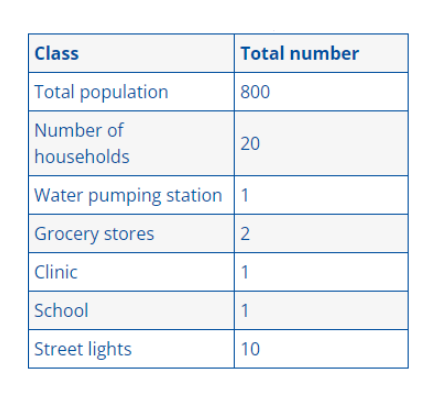
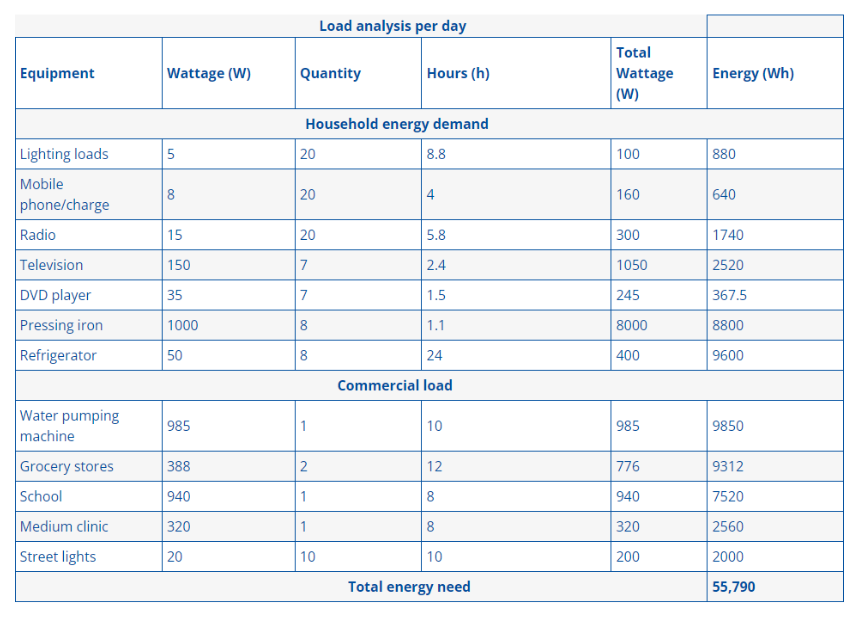
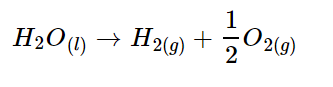


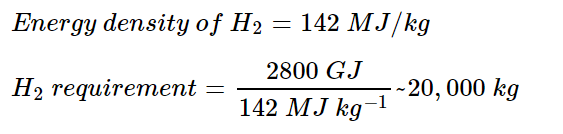
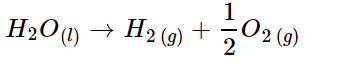




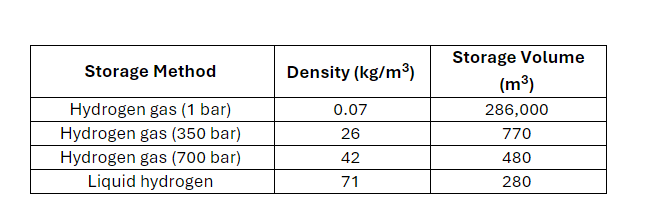
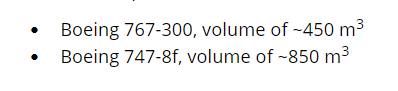
 Authors: Paola Seminara (Edinburgh Napier University); Alasdair Reid (Edinburgh Napier University).