Dr Jan Peters MBE shares her passion and optimism about inclusion and belonging in engineering to guide us how to design meetings that work for microincision.
Introduction: giving meetings a neuroinclusive makeover
Meetings are the heart of our academic institutions. Yet for a significant number of people — those who think deeply, process slowly, or experience the world through a neurodiverse lens — they can feel like the most excluding, stressful space in the working day.
This Neurodiversity Celebration Week, the invitation is to stop auditing people and start auditing conditions. Because when we design meetings well, we don’t just include quiet and or neurodiverse people — we unlock thinking that was always there, waiting for the right moment to emerge.
When we aren’t proactive in Creating the right conditions (setting the scene), getting the process right for participation, and taking time for reflection of a meeting we lose. Yes CPR.
Five ways you lose by not designing your meeting conditions for neuroinclusion
- You lose essential cognitive diversity
When meetings reward only quick‑fire contributions, we miss the perspectives of reflective thinkers whose insights often reduce risk, broaden strategy and elevate quality.
- Meetings become dominated by social confidence, not actual expertise
Some quieter people (think ADHDers, autistic professionals, people with anxiety, introverts, and deep reflective thinkers) can find it hard to be involved in common meeting practices such as turn taking, eye contact, or unpredictable flow of a discussion.
- You create an unintentional hierarchy of “valid contributions
People quickly learn where they fit in the hierarchy of valued contributions. And unintentionally you can create a higher cognitive load on some worrying or thinking about how to chip in. If the only contributions we hear are those that fit a narrow norm then people will stay silent.
- You distort team decision-making
Quick fire communicators can shape a discussion and the nuance held be deeper thinkers means losing context, or caution, that can lose creativity and be costly. Quieter people may be “running internal simulation and noticing risks.
- You unintentionally penalise non-neurotypical time and processing patterns
When you inadvertently choose speed over substance you lose. Neurodivergent brains may delay processing, others may listen differently, or if there is a fast pace, may be subject to social or sensory overload. Further, people’s perception of time can also affect their contribution – eg temporal myopia or temporal agnosia.
What quiet people tell us: insights from coaching
Getting to know your colleagues and meeting participants helps build a mental model of the real reasons behind their silence. People don’t want to be noticed for the wrong reasons — they want to be included and involved.
In one hi-tech, very senior pharma team I worked with there was energy, camaraderie, and a sense of fun. In a pre event coaching session I learned one of the programming leads, let’s call her Steph, found it hard to participate. Her inner operating system was simply different to the common system of the team. She enjoyed long walks; her vacations were trail hiking, often alone. In meetings she told me she felt stupid. Slow. Not valued. Not heard. She accepted that last-minute agendas were necessary because of the pace. She was silently frustrated and unhappy. By the time she had processed everything, the conversation had moved on. So she stayed quiet.
Being invited into a meeting to observe dynamics is an immense privilege. In an electronics company design meeting, I noticed one team member was quiet and avoided eye contact. At the coffee break, the chair came over, irritated: “What’s wrong with them?” he demanded. I went to speak with the person. “I’m thinking deeply about the first discussion point,” they said. “I know I look vacant when I’m thinking.”
Two different organisations. The same assumption. Silence mistaken for disengagement, absence, or worse — indifference.
The problem: auditing people instead of conditions
Typically, we audit people and how they show up without thinking about how — or whether — we have designed conditions for them to contribute. When we deal with what’s in front of us, we can become frustrated by those who remain quiet, avoid eye contact, or seem to stare off into space.
So often, people privilege verbal contribution over reflective contribution; fast talking is mistaken for engagement; and assumptions are made about silence.
A positive psychology approach means focusing on what is right with people, not fixating on what challenges them. It means enabling everyone to contribute their best — and building a culture that invites participation and appreciation from all.
Neurodiversity and meeting dynamics
Eight thinking styles — and what you lose when they go unheard
Gallup identifies eight broad thinking types. Understanding them isn’t just inclusive — it tells you exactly what kind of thinking disappears when someone stays silent. These patterns often map onto neurodivergent processing styles, giving clues for how to work better together.
The Pattern Spotter
Scans for links, risks, and opportunities. Quiet because they’re already ahead of the room.
Goes silent when: Discussion is too detailed or stuck in the weeds.
Ask: What’s the quickest route forward? What’s ahead that we should consider?
The Evidence Seeker
Needs data and clarity. Precision over speed.
Goes silent when: Evidence is missing or wasn’t shared.
Ask: What data do we need? Does it exist?
The Collector
Holds a mental library of useful examples and tools.
Goes silent when: Pace is too fast to sort what’s relevant.
Ask: Any resources or examples that could help?
The Deep Thinker
Processes internally and contributes later with high‑quality insight.
Goes silent when: The meeting moves on too fast.
Ask: What are you noticing? What’s still on your mind?
The Absorber
Learns through listening and questioning; brings clarity.
Goes silent when: They don’t understand enough to speak yet.
Ask: What was most useful? What’s new for you?
The Visionary
Thinks in possibilities and future states.
Goes silent when: The meeting is too operational or present‑bound.
Ask: What future implications should we consider? How do we future‑proof this?
The Context Builder
Connects the past to the present and prevents repeat mistakes.
Goes silent when: They lack background or context.
Ask: What can we learn from previous work or experience?
The Innovator
Builds ideas, reframes problems, and expands thinking.
Goes silent when: The environment feels evaluative, critical, or rushed.
Ask: What have we missed? What other approach could we take?
Some of these thinkers may speak less — not because they lack value, but because their cognition works differently. With the wrong conditions, neurodivergent strengths disappear; with the right scaffolding, they become team advantages you can’t afford to lose.
Conclusion: a life-saving protocol for your meetings
For leaders, supervisors, and researchers, part of your role in chairing meetings is to help each person contribute — and to create the conditions in which their best thinking can emerge. Neuroinclusion so often is dismissed as difficult to make reasonable adjustments. I write here to say it is not a special accommodation. It is good meeting design, full stop.
By cultivating the right environment, you help each person understand what they naturally bring to the table. When we do this consistently, we shift from making adjustments for a few to building a space where difference can blossom for everyone.
This Neurodiversity Celebration Week, try CPR on your next meeting. You might be surprised who comes to life.
C — Conditions Set the scene before anyone arrives with papers out early, a chat to your quieter participants, and an upfront briefing. And don’t forget to include name cards.
P — Process for Participation Design the space for every voice. Enable pairs, fours and whole group discussions. Allow online synchronous and asynchronous contributions; cue up your quiet or reflective thinkers and ask them for observations or what they noticed. And always know who is your context builder.
R — Reflection Listen after the room has emptied. Consider how your shifts worked or didn’t. Follow up with your quiet people and deeper thinkers for observations and reflections. Not just to comment on the minutes.
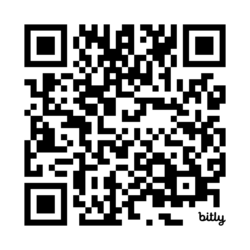
Being human is complex. I’ve shared a few ideas of things to think about. But sometimes it helps to have a different perspective to explore more deeply. The thinking types shared here are based on CliftonStrengths and there is great depth and nuance to how these interact. I have created a one-page checklist to download with more details of how Meeting CPR might work for you and always happy to share ideas or facilitate a workshop.
About the author
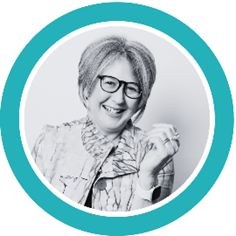
Dr Jan Peters MBE is passionate and optimistic about inclusion and belonging in engineering. She draws on her background in materials research, hi-tech manufacturing, and technology commercialization – all inform her work as CEO of Katalytik, helping build confidence and communication across team silos. She has worked alongside UCL engineering embedding inclusion into the IEP. And is a Certified Gallup CliftonStrengths Coach, with Animas for neurodiversity and coaching, and Inclusion Score for the ISO 40315:2021.
Contact details jan.peters@katalytik.co.uk