A new module is being launched to highlight the importance of professional development, lifelong learning, and the competencies and social responsibilities required to be a professional engineer.
It follows a successful public engagement project funded by the Engineering Professors’ Council in 2014, called Children as Engineers. The new module is being funded by HEFCE (link here http://info.uwe.ac.uk/news/UWENews/news.aspx?id=3524) to advance innovation in higher education curricula.
The 65 students, who are in the third year of their BEng or MEng degrees, will learn about the engineering recruitment shortfall and the need to widen the appeal of the profession to girls and boys. They will then develop their communication and public engagement skills in order to become STEM Ambassadors for the future.
The module is unique in that it pairs the student engineers with pre-service teachers taking BEd degrees on to be peer mentors to each other. The paired students will work together to deliver an engineering outreach activity in primary schools, as well as respectively mentoring each other in communication skills and STEM knowledge.
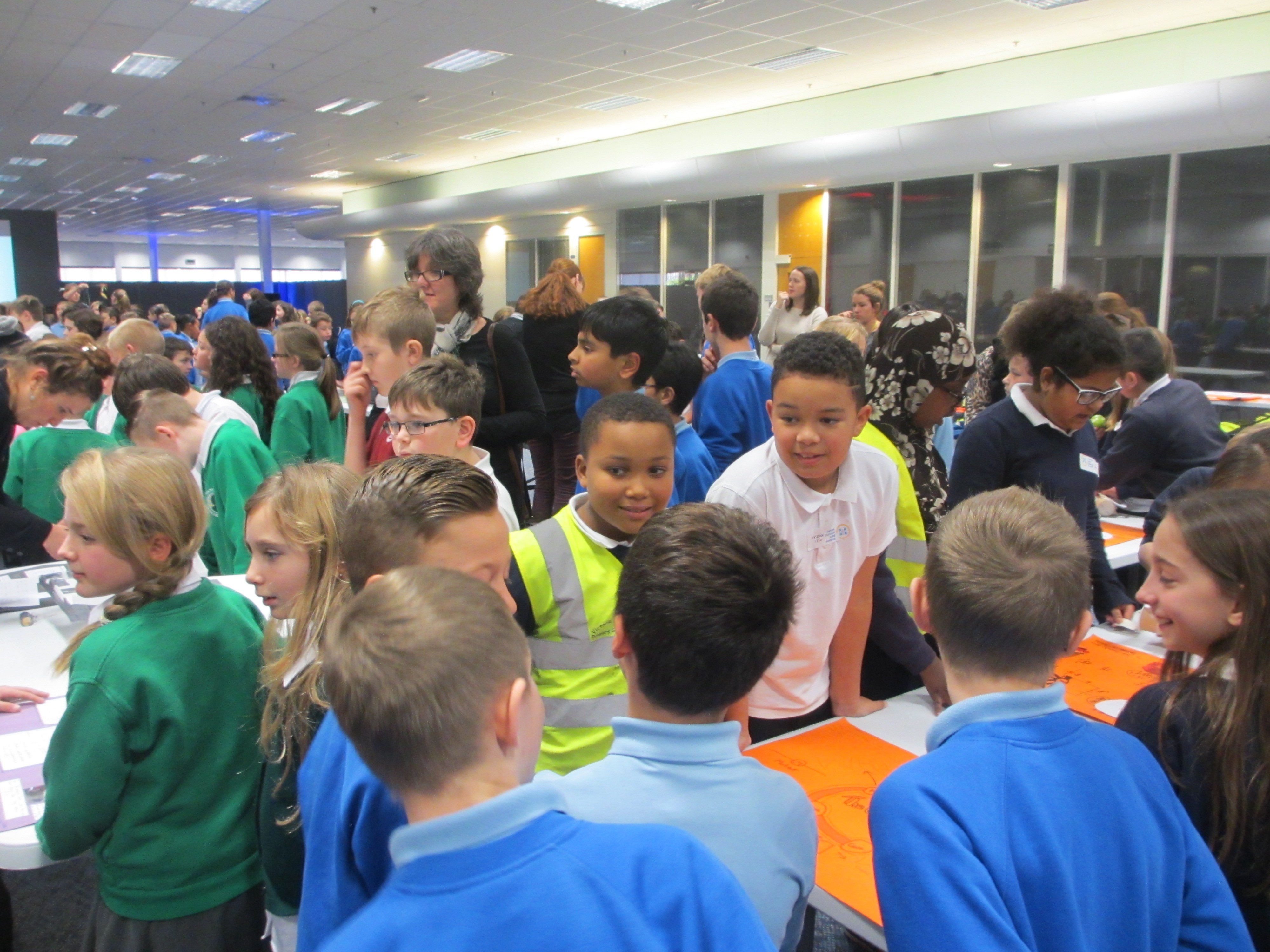
The children involved in the project will present their engineering designs back to the student engineers at a conference at UWE in 2018. Previous research shows that it positively changes children’s views about what engineering is and who can be an engineer.
Teacher Asima Qureshi of Meadowbrook Primary school in Bradley Stoke says, “The Children as Engineers Project was a very successful project in our school. The highlight was the opportunity to showcase their designs at the university and be able to explain the science behind it. It has hopefully inspired children to become future engineers.”
The pilot project was also successful at improving teachers’ STEM subject knowledge confidence and self-efficacy to teach it. This is vitally important, as only 5% of primary school teachers have a higher qualification in STEM, and yet attitudes to science and engineering are formed before age 11.
Professional engineers in the Bristol region are invited to learn from the project and mentor the students as part of the new Curiosity Connections Bristol network (https://curiositybristol.net/). Delegates are welcome to the inaugural conference on November 23rd 2017 (link to https://curiosityconnections.net/event/conference2017/) to share learning with other STEM Ambassadors and professional teachers in the region.
Curiosity Connections Network Lead
Associate Professor for Engineering in Society
University of the West of England (UWE) Bristol UK