 Toolkit: Inclusive Engineering Toolkit
Author(s): Dr Rebecca Macfie (University of Strathclyde); Dr Ross Brisco (University of Strathclyde)
Resource type: Teaching activity: Teamwork and collaboration activities (e.g. role allocation, peer feedback, group structure design)
Topic: Design method for concept generation in engineering design teams.
Title: Sit on your hands.
Relevant disciplines: Any.
Keywords: Engineering design; Inclusive Engineering; Communication; Collaboration; Equity, Diversity and Inclusion; Teaching and learning; Reflective practice; Pedagogy; Access and participation; Teaching resource
Licensing: This work is licensed under a Creative Commons Attribution-ShareAlike 4.0 International License.
Downloads: A PDF of this resource will be available soon.
QAA Inclusive Higher Education Framework mapping: Toolkit resources are designed to be applicable across engineering disciplines, but educators may find it useful to understand their alignment with the QAA Inclusive Higher Education Framework. The framework sets out five areas of activity that support inclusive practice across higher education, covering curriculum design, teaching and learning, assessment, learner support, and institutional approaches to inclusion.
This resource aligns most closely with the following QAA Inclusive Higher Education Framework area of activity: Community and Belonging and Curriculum Design and Delivery
Within the Inclusive Engineering Toolkit, these areas provide a reference point for understanding how resources support inclusive engineering education and practice, rather than defining a rigid taxonomy or classification system.
AHEP mapping: This resource addresses several of the themes from the UK’s Accreditation of Higher Education Programmes fourth edition (AHEP4): Equality, Diversity and Inclusion. In addition, Design, Teamwork and Communication principles.
Educational level: Beginner
Learning and teaching notes:
The Sit on Your Hands (SoYH) method is designed to support more inclusive communication, thinking and empathy within engineering design teams. By temporarily removing physical design and communication tools such as sketching, writing and hand gestures, the activity encourages students to develop concepts through discussion alone and to reflect on how differently team members may think, communicate and visualise design ideas. The subsequent individual sketching and group reflection provide an opportunity to make these differences visible and develop greater awareness of diverse approaches to design and teamwork. The activity can be incorporated into engineering design teaching with new or ongoing projects and adapted for different team sizes and teaching contexts, including online group work.
Learners do not require any specialist prior knowledge of the SoYH method, although facilitators should provide an introduction to the purpose and format of the activity before beginning. The accompanying facilitation guidance provides suggested timings, participant instructions, practical considerations and reflection prompts to support educators in delivering the activity.
Upon successful engagement with this resource, learners will be able to:
- Understand how cognitive diversity in teams affects engineering design outcomes and collaboration.
- Be aware of the need for diverse communication methods within design teams.
- Consider more empathic methods of communication with team members that account for diverse learning and working experiences.
- Identify how and when to navigate diverse experiences within engineering design teams.
Teachers have the opportunity to:
- Support diverse learning experiences within engineering design student teams and in their classrooms.
- Encourage students to embrace inclusive methods of communication, teamwork and design.
- Allow for increased empathy between student cohorts and within working relationships, andintegrate reflective practices on why this is necessary.
Overview
The Sit on Your Hands (SoYH) method for concept generation in engineering design teams has been developed as a method of improving communication, inclusive thinking, and empathy within student engineering design teams. As demonstrated in Macfie (2026), engineering design students think in diverse ways, and yet engineering education often does not account for this. The SoYH method has been developed as an accessible novel engineering design method that removes all physical elements of design and concept generation, and simplifies the tools necessary for the design session to only a designer’s mind and their voice, asking the team to design through discussion alone. The design team is asked to “sit on your hands” to remove any temptation to use common physical design and communication methods, such as sketching and hand gestures, which in turn encourages the team to reflect on how they communicate ideas.
Human memory can be fallible, raising concerns about design teams relying on memorising the details of the concepts they are generating. For this reason, the SoYH method has been developed to be undertaken in short design sessions, with physical sketching sessions taking place immediately following the design session: the concept is generated through mind and discussion alone, then logged physically for reference purposes. The SoYH method has been evaluated with engineering design educators, and verified through implementation into various higher education engineering design classes with student participants. It has been demonstrated that the method improves communication, inclusive thinking, and empathy between design team members.
Activity description
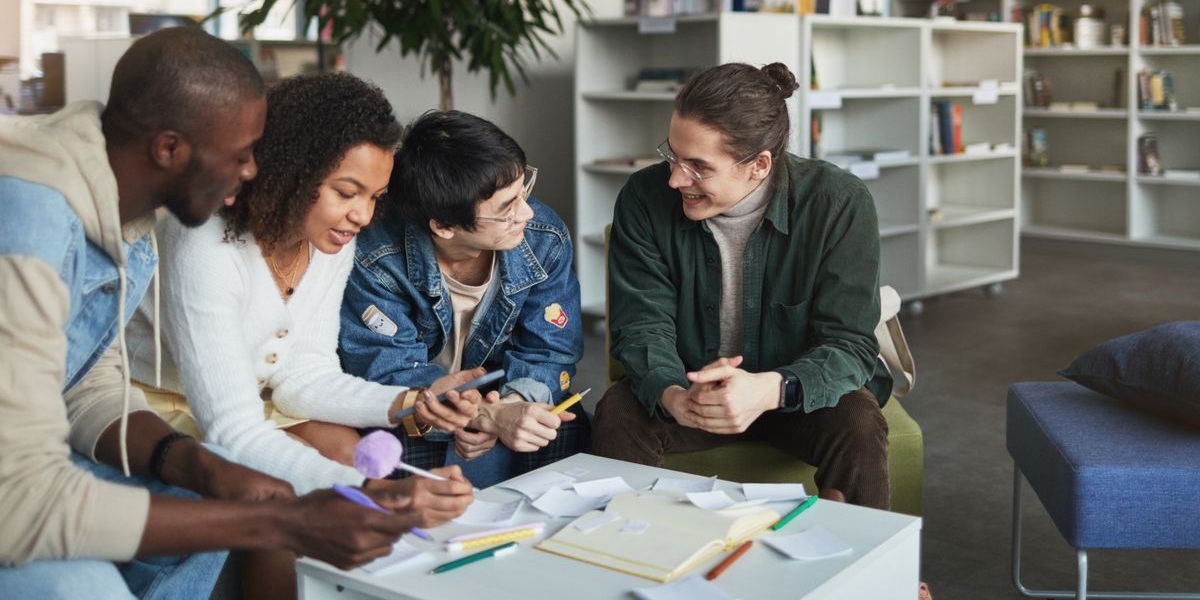
The SoYH method for concept generation, follows a standard conceptual ideation session as would be conducted in product design, industrial design or engineering design to develop initial ideas. Participants are encouraged to sit on their hands whilst they discuss and generate concepts as a team. Following the generation of a concept, each individual team member will draw the concept as they understand it and visualise it in their minds eye. At the end of generating multiple concepts, they will discuss the differences in their understanding and visualisation of the concepts.
It is recommended that the activity is conducted differently depending on if the method is being undertaken as part of a new design project, or an ongoing design project. New design projects will require additional time to discuss the problem and plan how to conduct the generation of concepts. Ongoing design projects may need less time, but will use this to review previous research, findings and decisions that have come from the design project itself.
Team structure and roles
Specific team structures and roles are not required. Teams are able to manage their own process. Larger teams may require a moderator or leader to manage the session and ensure all have a voice. As detailed in Macfie (2026), SoYH has an impact of cognitive behaviour and personality impacting an individual’s engagement with the team, which can impact on their role within the team.
Facilitation guidance:
Methodology
(1) Introduce the format of SoYH and answer any questions on how to conduct the activity.
- Depending on the context, it may be appropriate to introduce concepts of inclusive thinking, empathy for other team members (for example, by considering the diverse ways in which students think, learn, design, and communicate) and good communication between design team members. Explain that the facilitator will keep time as they move between different design tasks. Groups should be reminded that one member should not dominate and that they could take turns or speak in turn around the group if that helps everyone be included.
(2) Design teams are presented with a design task.
- They are allowed approximately five to fifteen minutes to discuss the task and develop a shared goal depending on the complexity of the challenge they are presented. Participants should be discouraged from developing solutions at this time.
(3) The teams will undertake three ideation sessions of five minutes each.
- They will be tasked with designing one shared concept as a team during each five-minute session through discussion alone. Participants are encouraged to sit on their hands avoiding temptation to draw, write or gesture.
(4) Between each five-minute design sessions, team members should be provided with two to three minutes for individually sketching the shared concept as they envision it.
- Participants should avoid sharing sketches until all design sessions are complete.
(5) The team will share their sketches as reflective practice revealing differences in interpretation and understanding and visualisation.
- Use the suggested reflection prompts asking team members discuss the similarities and differences in their concept visualisations, and the outcomes of the activity in terms of empathy and team working.
Adaptability
The SoYH method has been developed for diverse teaching contexts and classroom sizes, with varying team sizes. While smaller team sizes support easier communication, the method is adaptable for larger team sizes, for example, longer discussion times and structured discussion are an option to allow for more voices.
It can also be applied to both new and ongoing design projects. The recommended structure is intended to support positive team outcomes, but facilitators can adapt the timing and format where needed, including adapting for use in online environments, such as Microsoft Teams for online group work.
Notes for facilitator
- It would be beneficial to prepare students in advance for the introduction of this new to ensure they have sufficient notice and opportunity to seek support if they anticipate finding the task challenging.
- Keep strict time to ensure consistent working.
- Emphasise no concept generation outside of the specified concept generation time.
- Intervene if team members start using their hands, or some other physical design tool.
- Cognitive behaviour and personality differences have been found to impact engagement, and so it is advised to intervene to encourage participation, such as “remember to keep discussing the concept”.
- Emphasise the need for translating or sketching as an individual.
Instructions for participants
- There should be no physical design, including sketching, note-taking, hand gestures etc.
- You should sit on your hands where possible to avoid temptation.
- Generate concepts through discussion alone: your voice and mind should be your tools.
- Sketch or translate your concept alone and as an individual.
Suggested reflection prompts
- Encourage the sharing of sketches following the final concept generation session and discuss similarities or differences.
- “How similar or different are your translated ideas of the same concept?”
- “Where have these differences come from in your opinion?”
- “How has the method changed your awareness of how you communicate with team members?”
- “How has your level of empathy for your team members and the diverse ways you work changed?”
Acknowledgements:
This research was funded by EPSRC DTP EP/T517938/1 2607701.
References:
- Macfie, R. (2026) Diversity in the Mind’s Eye: Defining the Mental Imagery Experience in Engineering Design. Thesis. University of Strathclyde.
Any views, thoughts, and opinions expressed herein are solely that of the author(s) and do not necessarily reflect the views, opinions, policies, or position of the Engineering Professors’ Council or the Toolkit sponsors and supporters.
All contributions published through the Inclusive Engineering Toolkit will be subject to a structured peer review process to support quality, relevance, and consistency.
The Inclusive Engineering Toolkit recognises that inclusive language and terminology may vary across contexts and communities, and that contributors may use different approaches depending on context and preference, including identity-first and person-first language. Users are encouraged to contact us at admin@epc.ac.uk with any questions, concerns, or feedback regarding language used within toolkit resources.